Pairing teachers with aviation and aerospace pros, CSIRO’s new Aviators in Schools program delivers hands-on learning that links STEM to real-world jobs
If you’ve ever heard a student ask, “When will we use this in real life?”, this program is for you. Australia’s national science agency – CSIRO – has teamed up with Aviation/Aerospace Australia to launch Aviators in Schools, a free national initiative that brings aviation and aerospace expertise straight to Australian classrooms.
How does the program work?
Aviators in Schools matches teachers with aviation and aerospace professionals, letting participants shape the partnership to suit the class and curriculum. Options include:
- career chats (the “how I got here” stories students remember)
- mentoring and role modelling
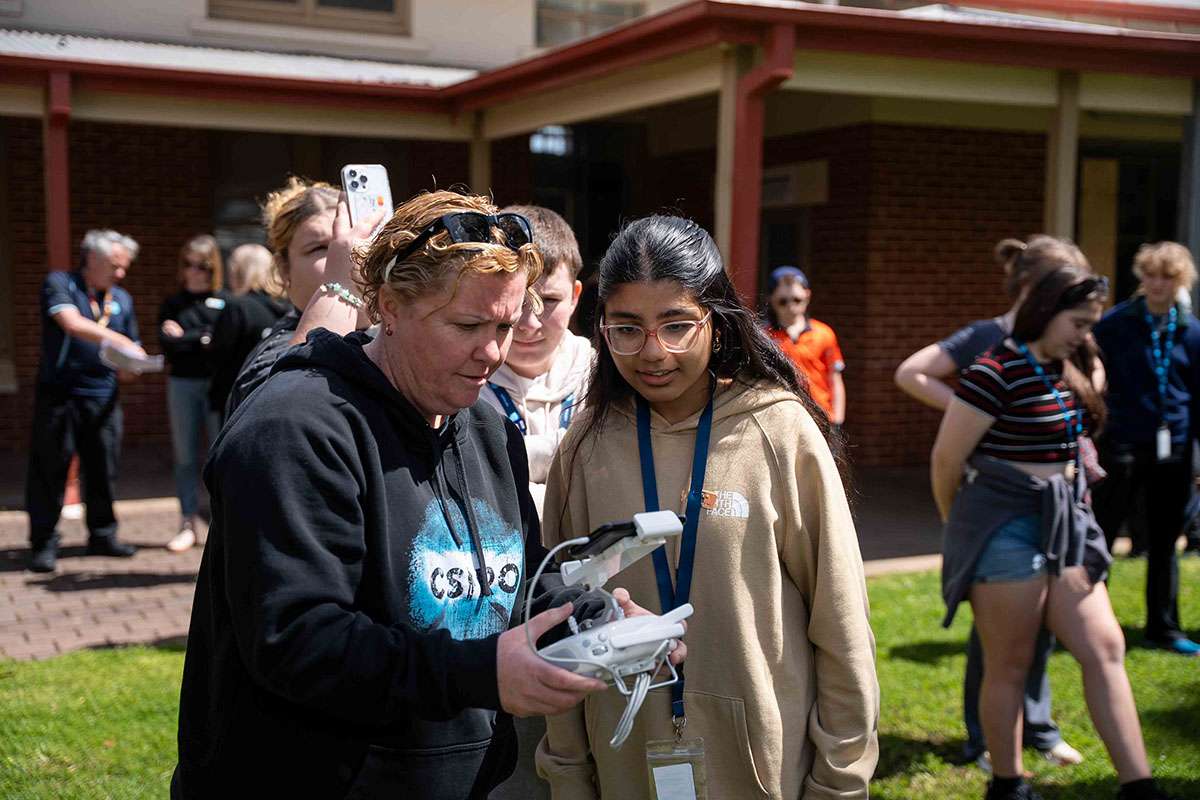
- hands-on demonstrations
- co-designed STEM projects aligned to curriculum goals
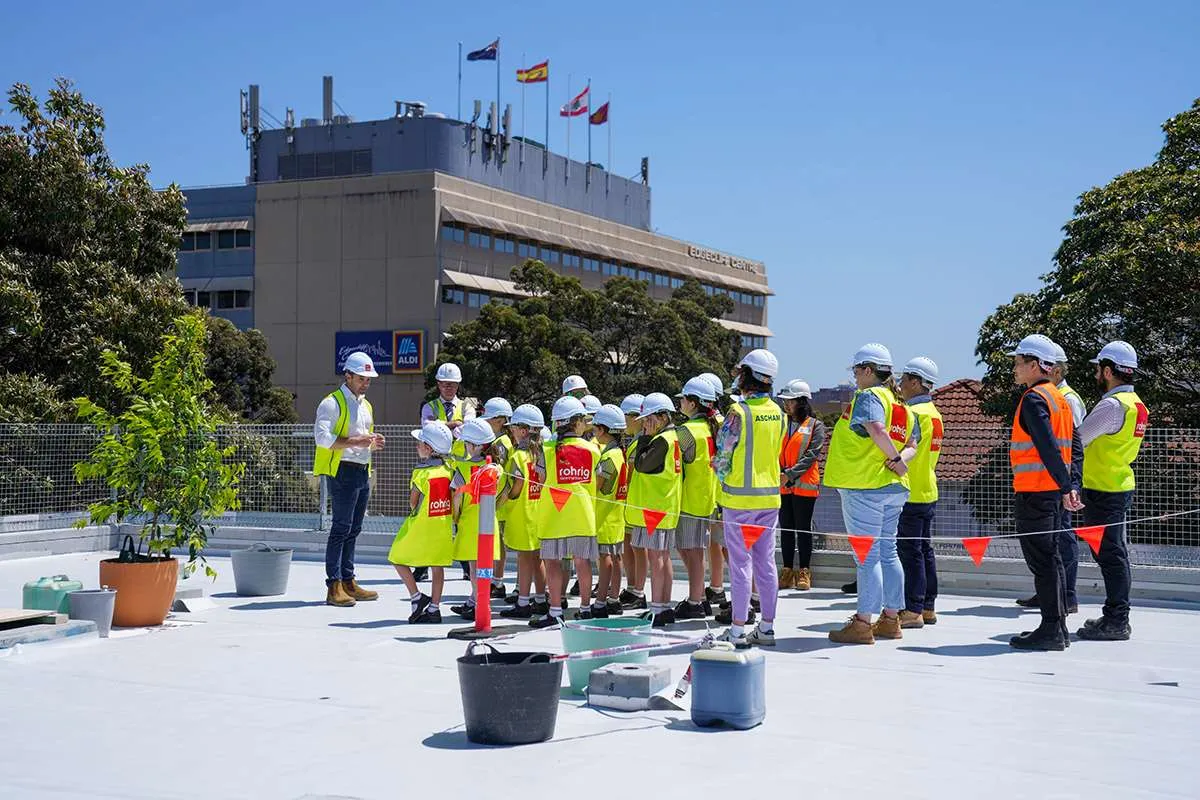
- site visits (where possible)
The initiative sits within CSIRO’s STEM Professionals in Schools program, which supported 1,100 teachers and 900 STEM professionals across Australia last year.
Why aviation?
Aviation is changing fast, with advanced technologies opening up new opportunities across engineering, robotics, data, sustainability and high-tech manufacturing. That means future jobs are multiplying. . . but Australia is also facing a STEM skills shortage in this industry.
CSIRO’s Director of Education and Outreach, Ruth Carr, says, “STEM education is critical to Australia’s long-term success and to improving employment opportunities for young people. It provides students with the skills and confidence to explore a wide range of career options and contribute to the industries shaping our future”.
More role models = more pathways
One of the best bits? This initiative is designed to tackle barriers to participation, especially for groups still underrepresented in STEM, including women and Aboriginal and Torres Strait Islander Peoples.
Aviation/Aerospace Australia CEO Anntonette Dailey points out that diverse teams bring the kind of collaboration that drives innovation.
“Evidence consistently shows that when we have a diverse workforce, we bring in new perspectives, make stronger decisions, and create the kind of collaborative energy that drives real creativity and innovation,” says Anntonette.
Many students still don’t see themselves in aviation, particularly in non-traditional roles. “We know that a lack of access to relevant role models and mentors, as well as awareness about the opportunities available — especially in non-traditional roles such as engineering and technical jobs – continue to present a significant barrier to participation,” Anntonette explains. Aviators in Schools is designed to help change that picture.
The proof is in the classroom
Teacher Steevi-Anne Flack from Findon Primary School in Victoria says partnering with aeronautical engineer Joelle Chia helped their school shape a new STEM program and brought fresh ideas into the classroom.
Students were especially hooked when experiments like making lava lamps were linked back to aerospace engineering, because suddenly STEM wasn’t “school stuff” anymore, it was “real-world stuff”.
“Sometimes it’s hard for students to connect their learning to real-life scenarios or imagine where their interest could take them. Having someone working in the field share their passion and experiences really helped spark their thinking in STEM,” says Steevi-Anne.
How to get involved
Aviators in Schools is free for teachers in Australian primary and secondary schools, and applications are open now. They are also open to STEM professionals in aviation, aerospace or related fields.
If you want STEM lessons with a bit more lift, this is a great runway to start from!