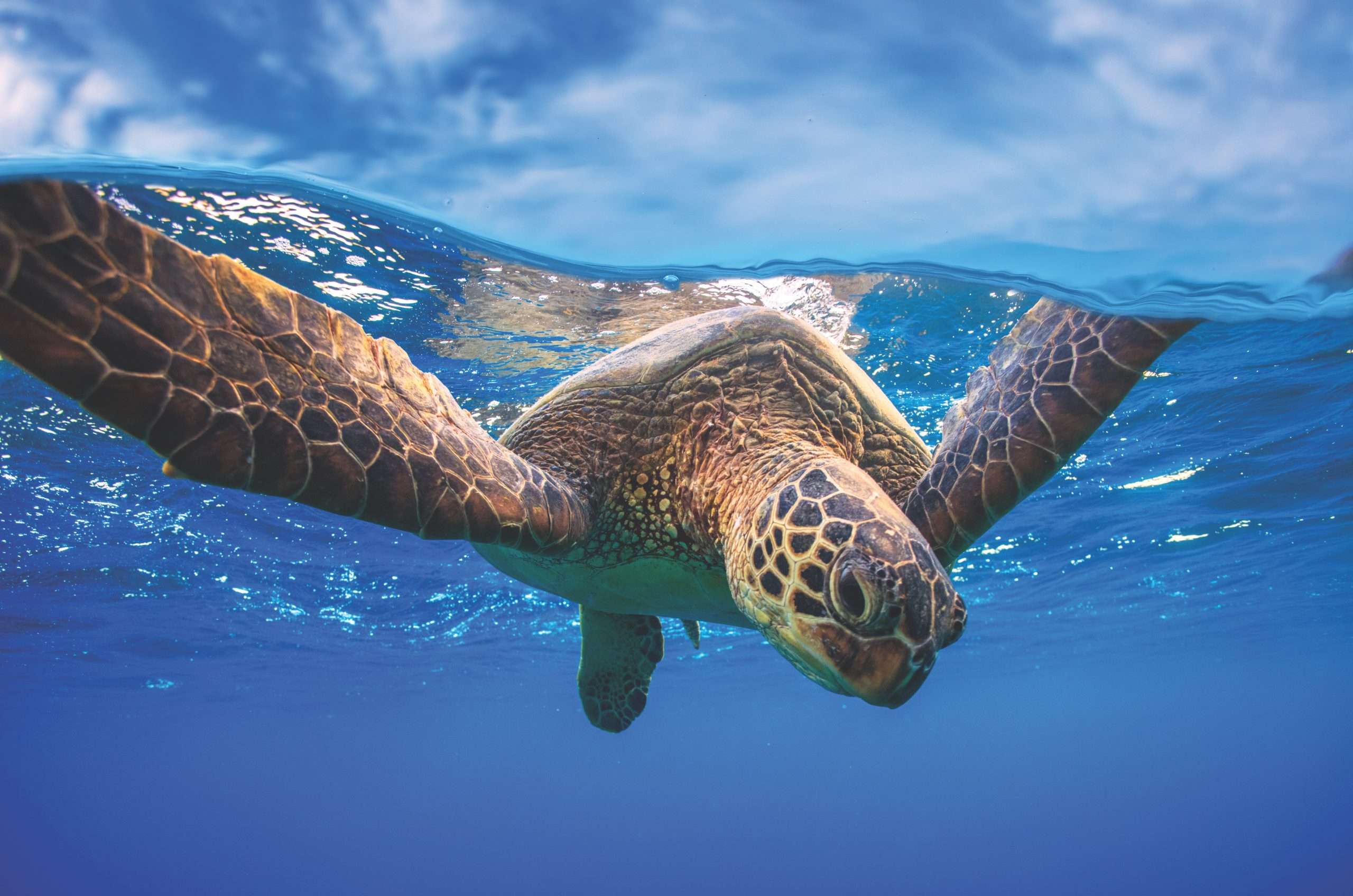
It’s important not to bother wild animals, so scientists have ways to watch from afar.

Scientists today use clever tools like flying robots (drones) and hidden cameras to learn where creatures go, what they eat and how to protect them.
Flying photos
Drones can be equipped with special tech to reveal what animals are up to. Thermal cameras detect body heat at night. Radio-tracking drones can find animals wearing radio tags. There are even drones that film, have lasers or hold sample plates.
Name: Dr Vanessa Pirotta
Role: Wildlife researcher
Research: Collects whale snot using drones
Animal tracking
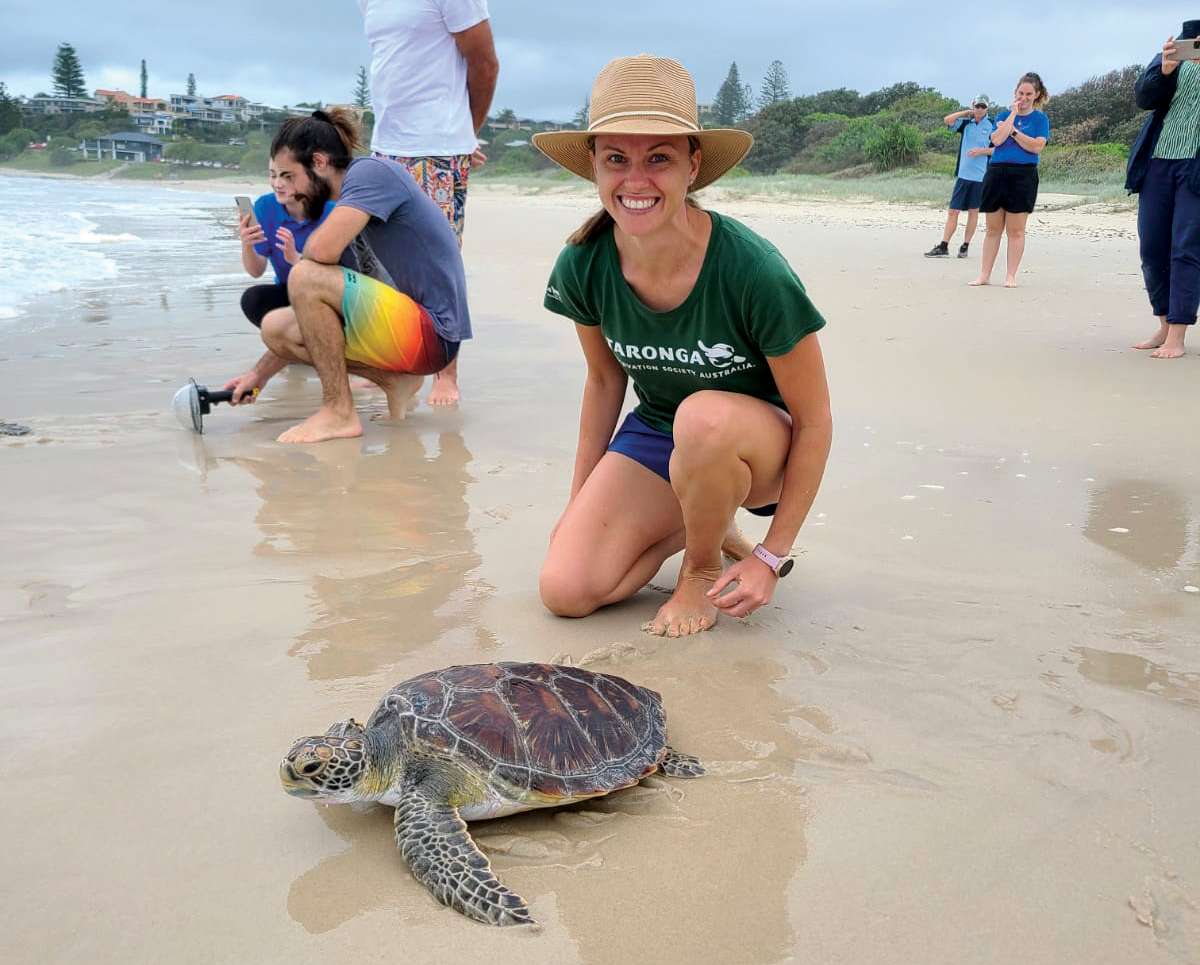
Scientists sometimes attach small radio tags to animals like turtles, sharks and birds. These tags send signals back to the scientist when an animal moves or comes to the surface. This helps scientists map where different species travel, eat and rest so they can protect them better.
Name: Dr Jo Day
Role: Conservation biologist
Research: Marine turtle tracking
Camera traps
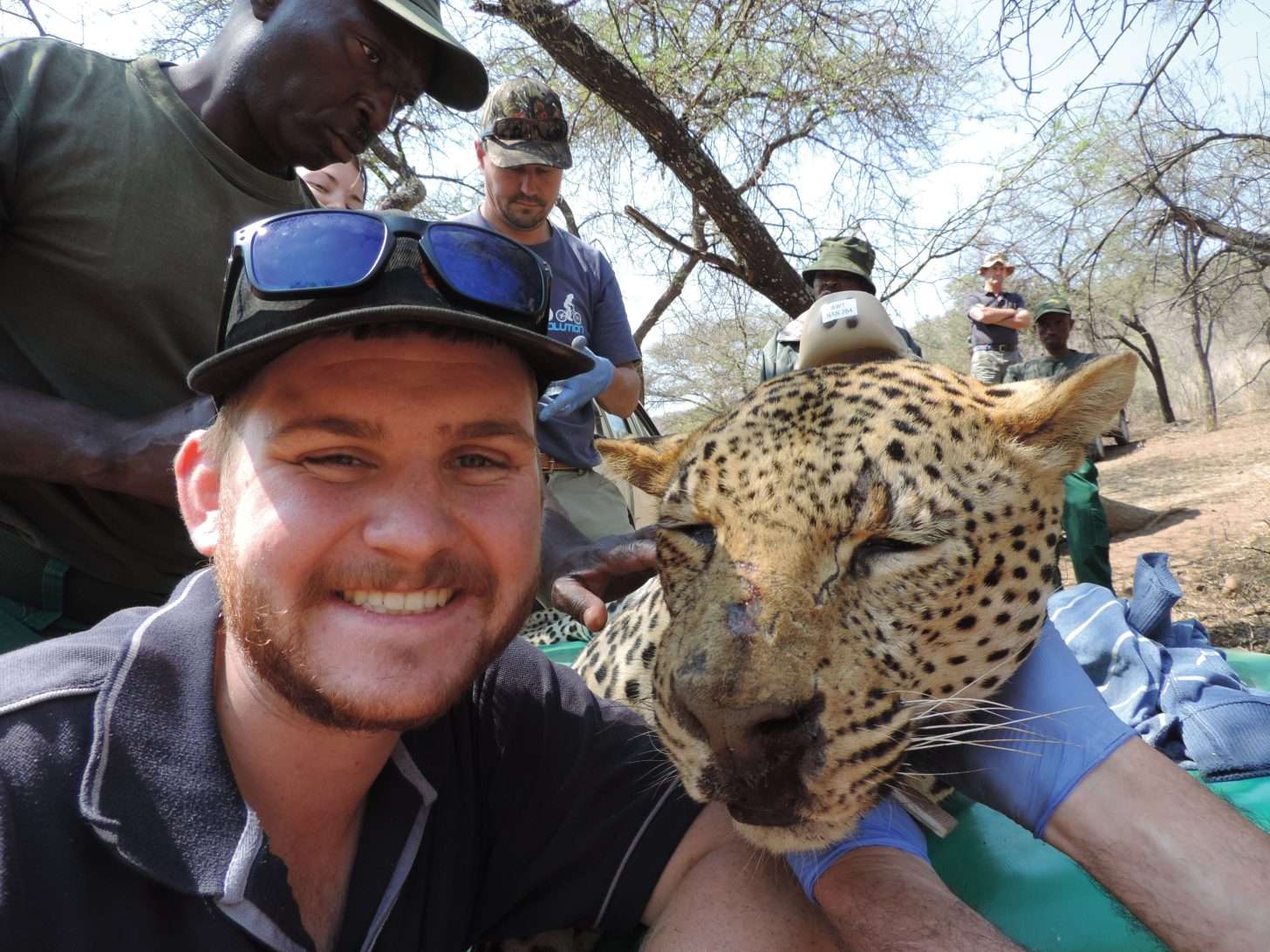
Camera traps are special motion-activated cameras that record images when animals move past them. Researchers use them to find out where animals live.
Name: Declan Morris
Role: Community ecologist
Research: Spotting leopards with camera traps
Experiment
Get spotting!
Did you know you can help scientists spot animals? Try Seek by iNaturalist to help scientists understand where different species live.
- Point the app’s Seek Camera at living things.
- Spot wildlife, plants and fungi.
- Earn badges for observing different species.
This article was first published in Careers with STEM: Primary, and was produced in partnership with Future You.