Passionate about protecting the world? Join Adelaide University’s trailblazing work
We all know there’s a lot of work to be done in protecting the environment. As a student at Adelaide University, you’ll have opportunities to work on real-world environmental challenges from your first year.
There are programs that improve animal welfare through partnerships with organisations like Zoos SA, where you might do vital research with endangered species that can’t be done in the wild.
Or, you can help with ecological recovery from natural disasters, like the harmful algal bloom South Australia has experienced.
You can get involved early, building experience that employers will love before you graduate.
Adelaide University is leading the change in conservation, and with the flexible Bachelor of Science, you’ll be able to try your hand at many of these opportunities before narrowing in on the area that matters most to you.
Reef resilience against algal blooms
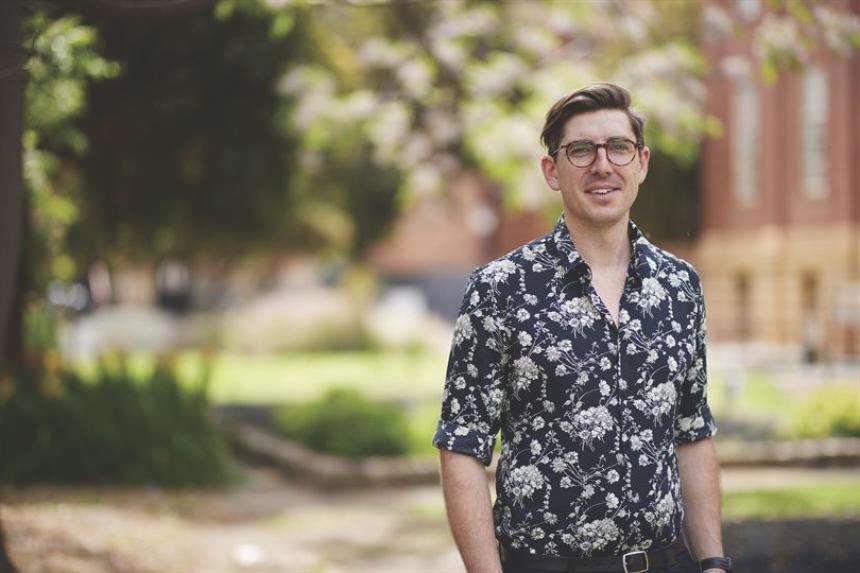
According to Dominic, human-caused environmental degradation contributed to the harmful algal bloom that devastated much of SA’s coastline in 2025. But he wants you to know that you and your community can address it. “We’re not helpless witnesses. We can get involved in making change,” he says.
At Adelaide University, Dominic has been working on a huge reef restoration project to build back historic oyster reefs: natural filters which remove dangerous algae and prevent it from blooming.
Boats of volunteers have been tracking oyster numbers all around South Australia and modifying sea floors to help them grow.
If you’re thinking about marine science, Dominic has one big tip: “Get involved!” There are many different coastal care groups around the state that always need volunteers, and it’s a great taste of conservation work – plus, it’s work experience!
Get the job: Major in Marine and Wildlife Conservation
Dominic’s study + career path
- Bachelor of Science (Honours), Macquarie University
- PhD, Marine Science, Macquarie University
- Endeavour Research Fellow, University of Hong Kong
- Research assistant, Sydney Institute of Marine Science
- Postdoctoral research associate, The University of Adelaide
Feel like staying in today?
You don’t need to leave the house to learn about the world!
The university has developed 360° virtual reality experiences through Project LIVE. They’ve developed more than a dozen experiences, from the front line of a bushfire, to the 600-million- year-old history of the Flinders Ranges!
How’s it going, orangutans?
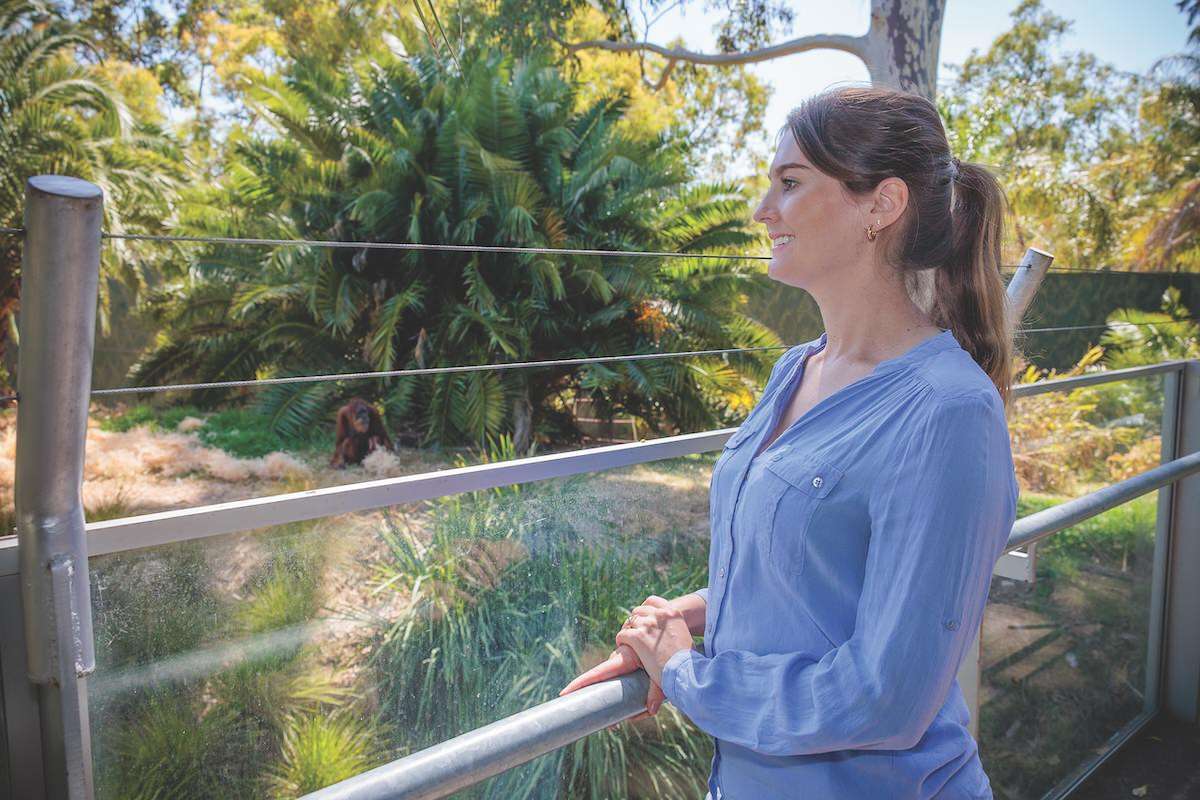
Much as we might like them to, animals can’t talk! So it can be difficult to fully understand what they’re feeling.
But new technology can help. Adelaide University students are using cameras to record orangutans 24/7, then build computer programs that can analyse their behaviour, movement patterns and facial expressions.
“Together, these methods aim to provide detailed and objective information about how individual animals behave over time,” says Justine, who is helping organise the project.
“I am passionate about understanding animals, what they are thinking, what they are feeling, and how they experience the world around them,” she says.
The project depends on students from different disciplines – from computer science to animal behaviour.
“The project also allows students to develop valuable skills by working with an industry partner, the zoo, and applying their knowledge to real world animal welfare challenges,” says Justine.
Get the job: Major in Animal Behaviour
Justine’s study + career path
- Bachelor of Animal Science, University of Adelaide
- Education Officer, Sea World
- Master of Teaching, CQUniversity
- Marine Animal Specialist, Sea World
- Enrichment Coordinator, Sea World
- Master of Animal Welfare Science, Ethics and Law, University of Winchester
- Animal Welfare and Research Manager, Zoos SA
- PhD, Adelaide University
- Accreditation and Animal Welfare Manager, Zoo and Aquarium Association Australasia (Secondment)
Employment opportunities
- Research scientist
- Animal behaviourist
- Animal trainer
- Wildlife conservationist
- Animal welfare officer
- Marine biologist
- Zoologist
- Science communicator
- Government advisor
Skills boost
In these courses, you’ll learn key skills that can be applied elsewhere:
- Systems thinking
- Fieldwork & data
- Long-term analysis
Show me the money
- Marine biologist: $65K–$80K
- Ecologist: $85K–$105K
- Zoologist: $100K–110K
Salaries according to seek.com.au
This article first appeared in the Careers with STEM: Study Science at Adelaide University