What statistics reveal about two of Australia’s most iconic species, and the mathematicians behind them
Ecology’s superpower is (surprise!) maths. Ecologists use maths to study how animals interact with each other and the environment so we can protect them better.
By using data, stats and modelling, they can identify patterns and provide reliable information to inform species action plans. So how exactly can you make a career using numbers to help save our native species Let’s find out!
Booming roos
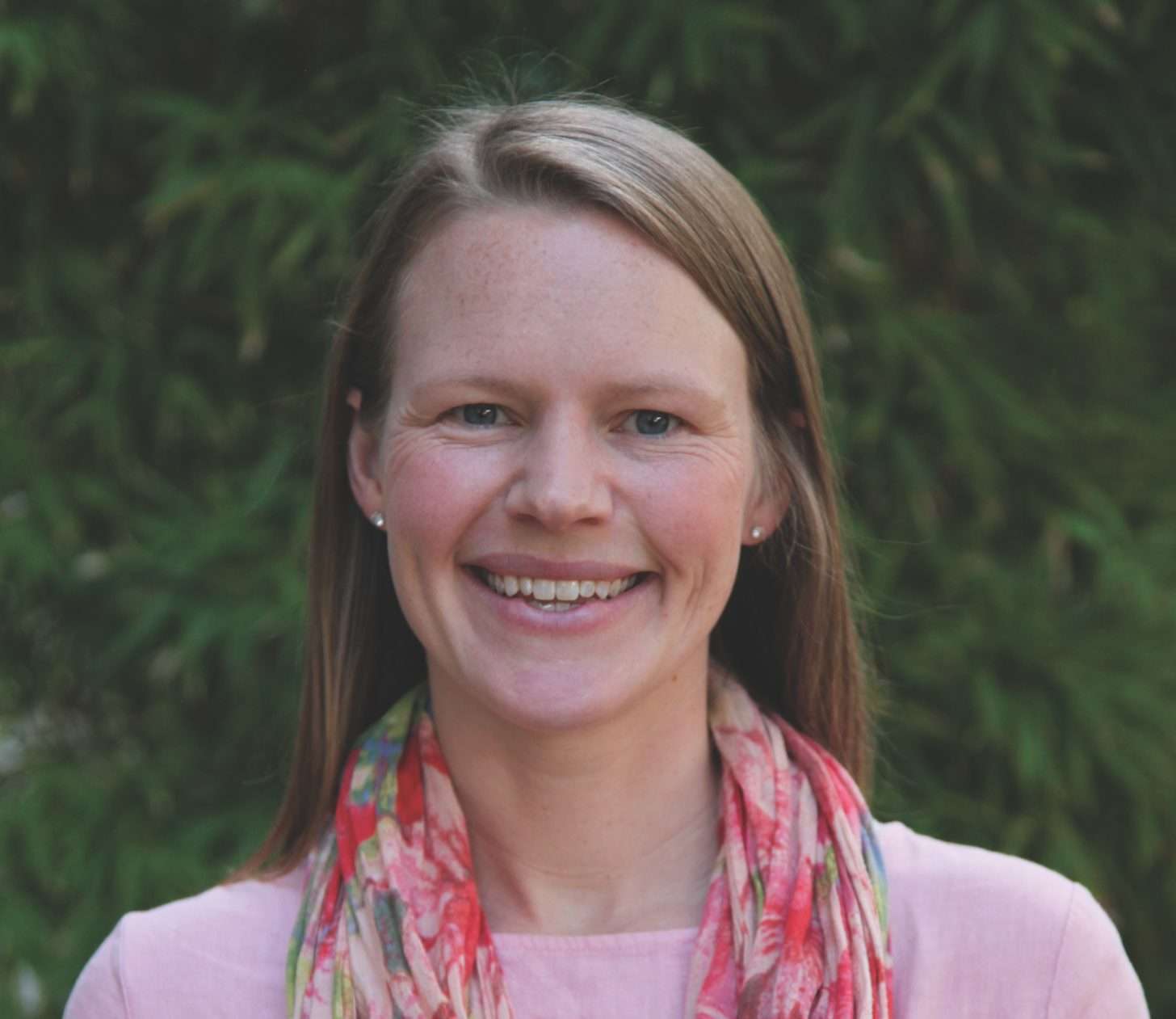
Kangaroos are national icons, but they can also sometimes be considered pests. RMIT University’s Dr Lily van Eeden is devising ways to understand human relationships with native species, such as kangaroos.
Have you ever filled in a survey that asked how much you disagree or agree with a statement – usually on a scale from one to five? This is called a Likert scale, a tool used to measure attitudes about a certain topic. Lily uses Likert scales to understand human attitudes towards species, preferences for management, and much more.
She then uses regression analysis, looking at variables and estimating a best-fit line to show the relationship on a graph. One example of a relationship is whether spending time in nature means you’re more likely to protect it.
“This research informs behaviour change interventions to encourage positive interactions between people and environment,” Lily says.
“I encourage young people to pursue a career in environmental social science to see their work translate into real, visible progress on environmental challenges!”
Lily’s pathway
- Bachelor of Science (Honours), The University of Melbourne
- Master of Biodiversity, Conservation and Management, Oxford University
- PhD in human dimensions of wildlife management, The University of Sydney
- Research fellow, Arthur Rylah Institute for Environmental Research
- Lecturer in environmental sciences, RMIT University
Wild maths jobs
Have you considered these maths + animal jobs?
- Veterinary epidemiologist, Use data modelling to track and predict disease outbreaks in animal populations.
- Animal insurance actuary, Model risk, life expectancy and claims data for pet or livestock insurance.
- Conservation data scientist, Combine field ecology with coding and stats to protect endangered species.
- Animal breeding geneticist, Mix probability and genetic modelling to improve livestock traits like health, growth and yield.
- Bioacoustics data analyst
- Analyse animal sounds like whale songs, frog calls and bird chirps using signal processing and stats.
Where are the bees?!
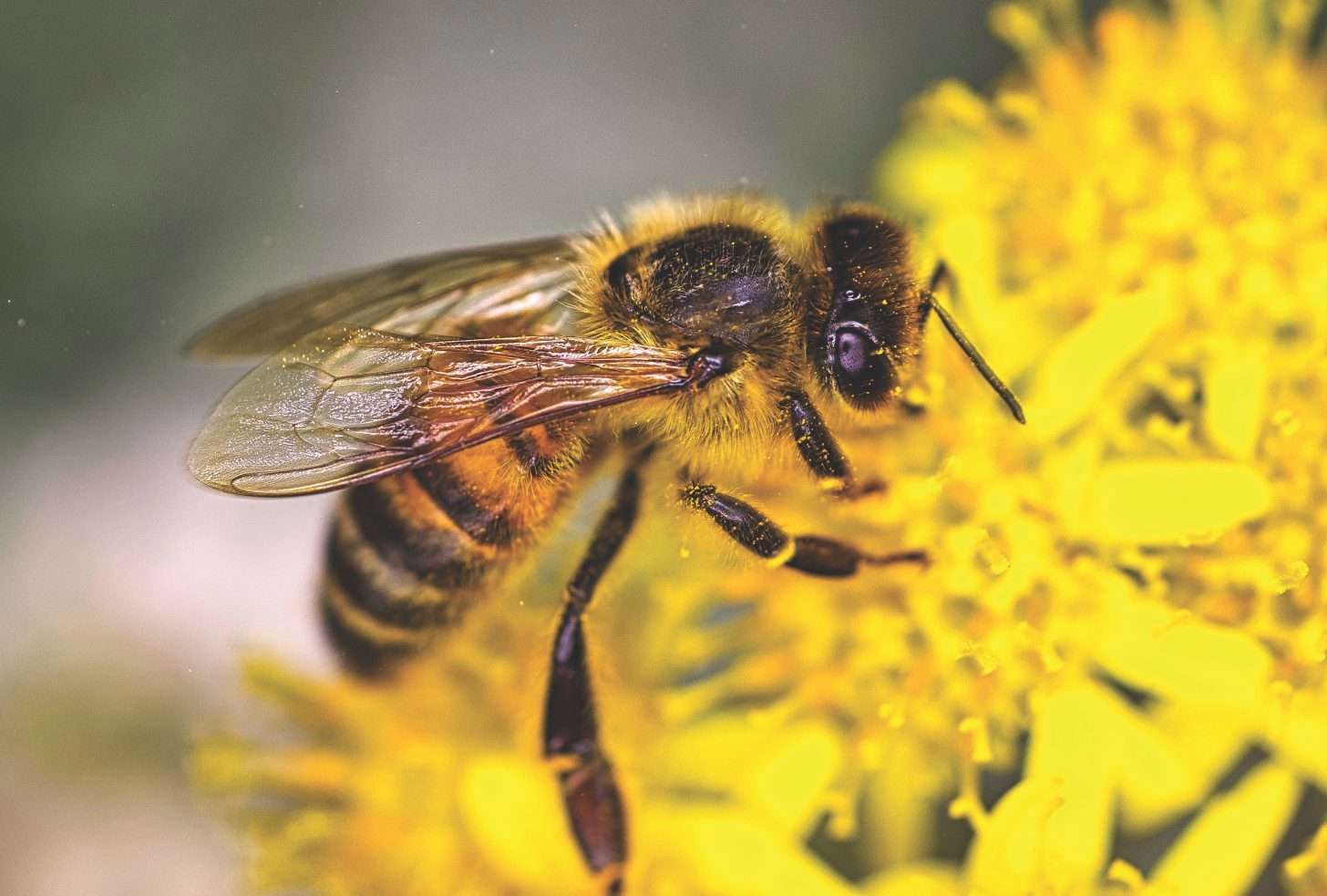
When Yolŋu people in Arnhem Land began noticing odd things happening in nature, they knew something was amiss. Seasons weren’t arriving on time, birds weren’t returning from migration, and when it came time to celebrate guku (honey) harvest, there wasn’t any honey. So, where were the bees?
Bee researcher Clancy Lester was involved in groundbreaking collaborations between the Yolŋu people, the late Professor Brian Djangirrawuy Gumbula-Garawirrtja and The University of Melbourne’s Dr Rachele Wilson and Professor Margie Mayfield to investigate native Australian honeybees.

During his master’s research, Clancy used DNA sampling to determine which bees gathered pollen from which flowers. Clancy used maths sequences called diversity indices to analyse regional abundance, paired with DNA metabarcoding to understand why honey harvests were not fruitful.
“We know so much about European honeybees, but barely anything about our own native honeybees!” Clancy says. “As a bee researcher, you might be the first person ever to have witnessed a species, and then to save them.”
Clancy’s pathway
- Bachelor of Science, The University of Melbourne
- Master of Bioscience, The University of Melbourne
- Lead environmental educator for Victoria, PlantingSeeds
- Urban ecology tutor, The University of Melbourne
- Heywire Trailblazer, ABC
Start your career here
Maths + Animals + Study
- Bachelor of Science, The University of Melbourne
- Bachelor of Science/ Bachelor of Mathematics, QUT
- Bachelor of Mathematics (Applied Mathematics), Adelaide University
- Bachelor of Engineering (Honours)(Bioinformatics), UNSW Sydney
- Master of Biological Science, The University of Western Australia
Maths + Animals + Jobs
- Wildlife biologist, $51K–$78K
- Data analyst, $60K–$118K
- Environmental advisor, $67K–$150K
- Statistician, $63K–$103K
- Geospatial analyst, $59K–$117K
*Salaries according to payscale.com
Written by Charlotte Read. This article first appeared in Careers with STEM: Maths 2026.