Here’s how Macquarie University researchers are using tech to help ocean life
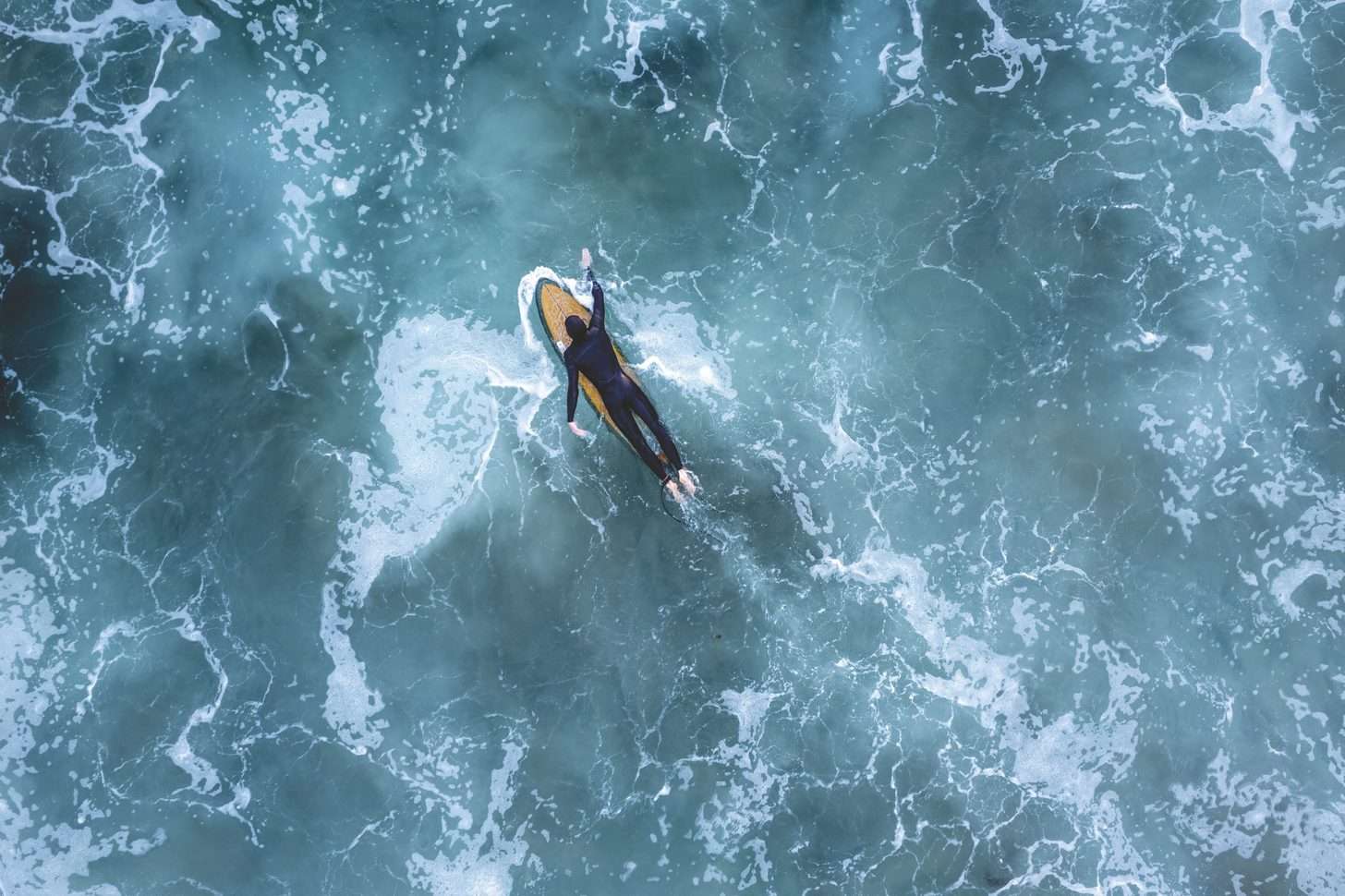
LED lighting + surfboards
Macquarie is exploring the use of LED lighting on surfboards to reduce white shark bites. White sharks are visual hunters and a surfer on a board can look like natural prey. By fitting high-intensity LEDs to the underside of a board in carefully designed patterns, it can change what sharks see and remove the sensory trigger.
AI + marine wildlife trafficking
Watch out, wildlife traffickers! Macquarie is developing world-first marine wildlife algorithms with Rapiscan Systems and the Taronga Wildlife Conservation Society. They’ve taught computers to look for shark fins, seahorses and sea cucumbers in luggage and mail.
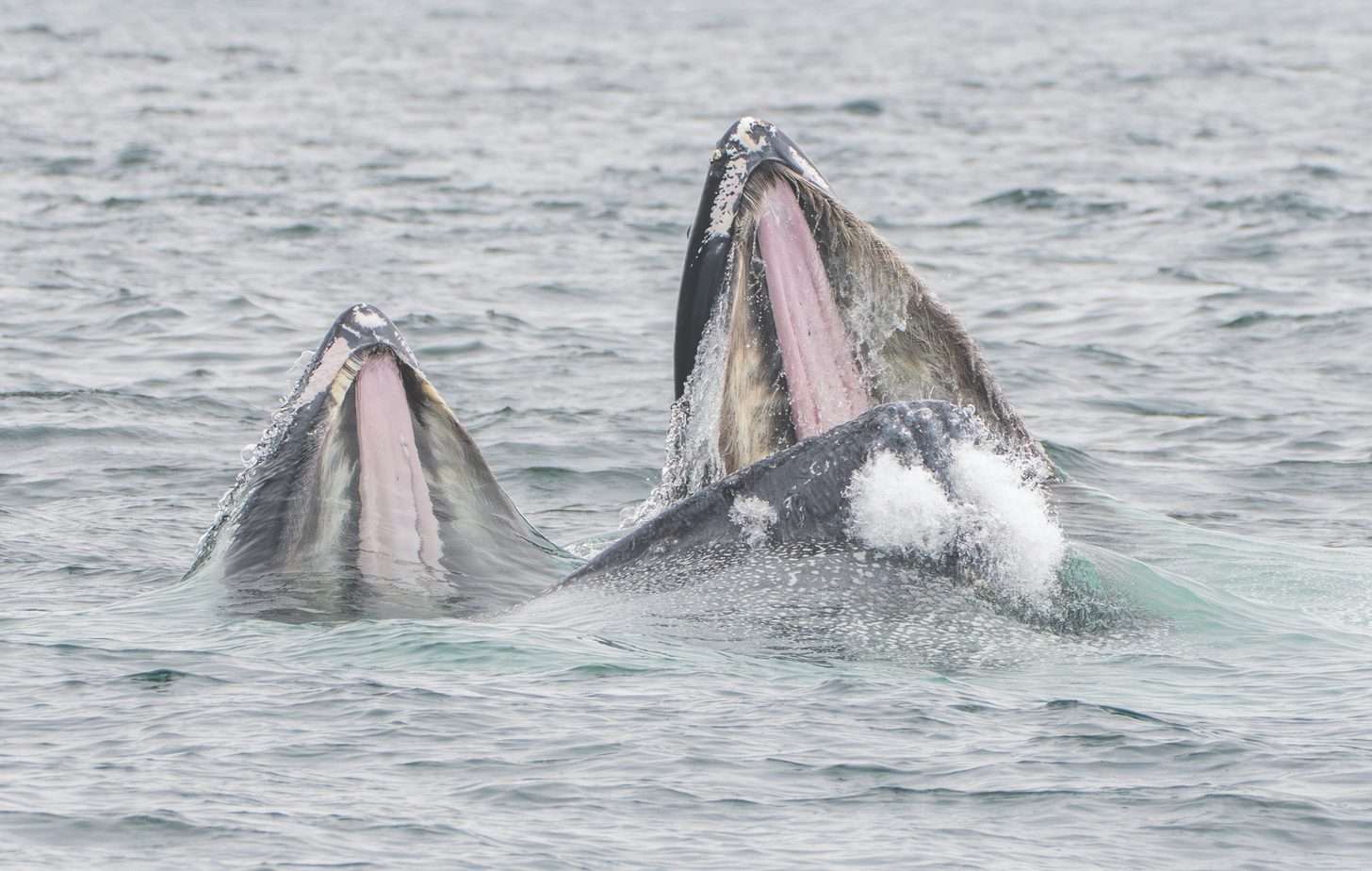
Citizen science + whale behaviour
Whale scientist and Macquarie University lecturer Dr Vanessa Pirotta co-authored a paper that explores ‘gaping’. This is when humpback whales open their mouths widely without an obvious reason. The study analysed 66 internet and social media instances of gaping, showing how tourists, whale-watch operators and drone users can provide useful scientific observations.
Study time
Make a splash in tech + oceans with these degrees
Macquarie University + Tech
Bachelor of Information Technology – you could major in Artificial Intelligence or Data Science, which are both useful to a career in oceans.
Macquarie University + Oceans
Bachelor of Science (Marine Science) – take elective units in Scientific Computing or introduction to Python Programming to skill up in tech tools and languages that’ll help you present data.
Read more awesome tech + oceans innovations at lighthouse.mq.edu.au
Meet a marine scientist
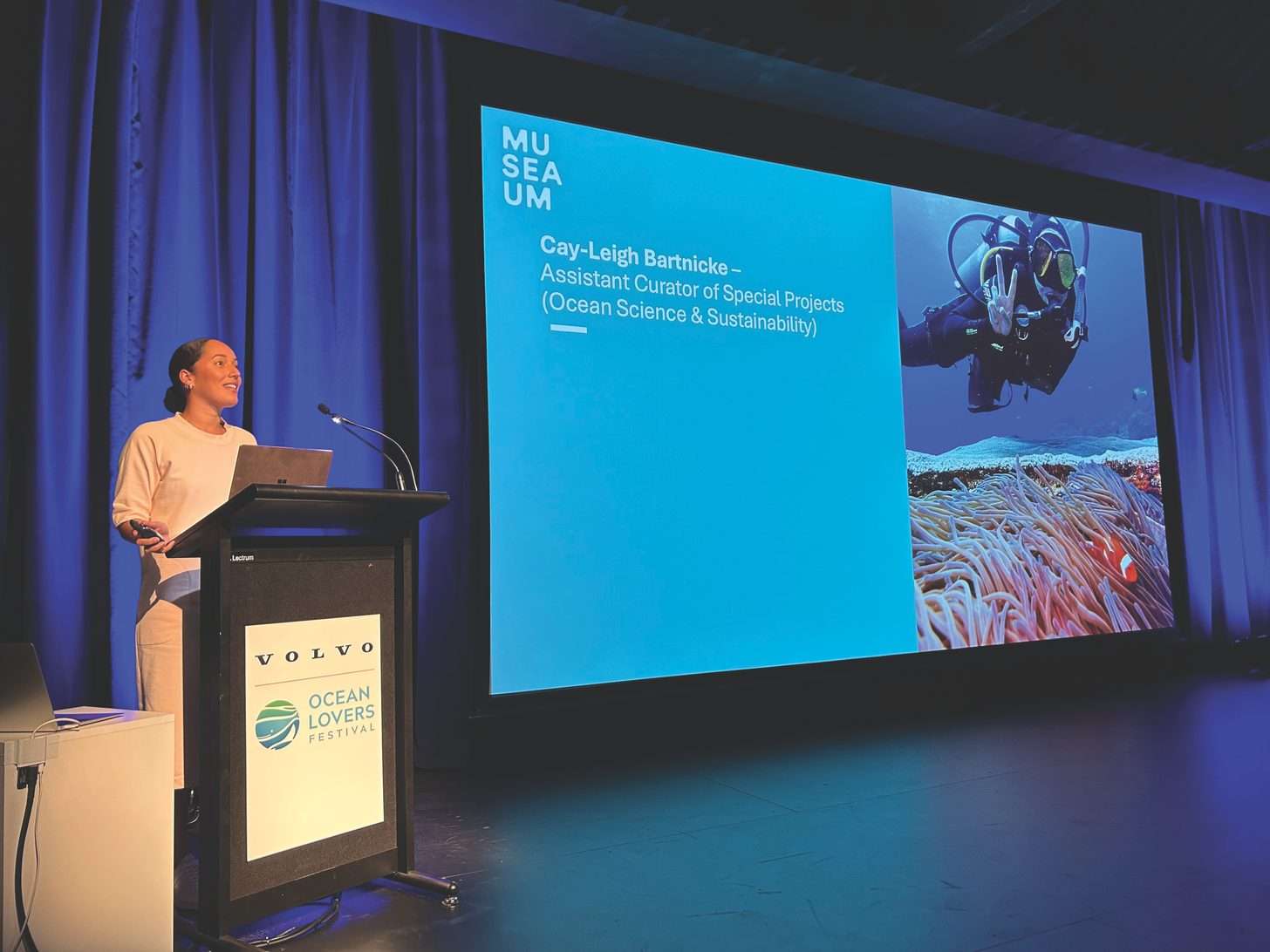
An underwater hobby inspired Cay-Leigh Bartnicke’s fin-tastic career path
Six weeks into a design degree, Cay-Leigh realised it wasn’t for her. “I then started looking at volunteering and was drawn to overseas diving and conservation projects,” she says. She’d always loved scuba diving and started thinking she could mix this with conservation to build a career in marine science.
As a first step, Cay-Leigh enrolled in Macquarie University’s Bachelor of Science (Marine Science). She liked that she could focus on her major in first year and says being taught by experts from across the country was a highlight.
Her first gig out of uni was at the Australian National Maritime Museum. Here she worked in the curatorial team, specialising in ocean science and technology. During her time at the museum, she worked with the New South Wales Department of Industries to create a travelling exhibition called Bidhiinja – Restoring Our Oyster Reefs.
“I wanted to bring a heavy art and science focus into the exhibition,” says Cay-Leigh. “I worked with a lot of creative people, as well as Indigenous curators, to do that and we created something really informative.”
The exhibition is made up of five moveable panels with touch elements, and Cay-Leigh even made an Instagram filter of an oyster reef. “If you put your camera on Instagram onto the exhibition, a live reef pops out of it,” she explains.
Cay-Leigh and the team also used tech to extend the exhibition online, with a website housing videos and audio about healthy reefs and 3D printable biomaterial made from Sydney rock oyster shells.
Now she works as an assistant project officer on Saving Our Species at the NSW Department of Climate Change, Energy, the Environment and Water. Their goal is to improve conservation outcomes for threatened species, including marine animals. This involves working with a lot of data and using new tech to communicate and report findings in interactive ways.
Want an oceans career? Cay-Leigh recommends getting involved in youth organisations where you can do ocean work and clean-ups. “You’ll get exposed to everything on a volunteer basis before choosing if it’s the right path for you.”
Myth busted
“You have to be a diver or a strong swimmer to be a marine scientist.”
Nope! Cay-Leigh says you can do marine science from a desk! “With tech improving and underwater drones, this field is becoming more accessible. None of the work that I’ve done has been because I have a dive license.” And if you are into fieldwork? Cay-Leigh says to be prepared to do lots of stats and computer work back at the lab.
Bidhiinja – Restoring Our Oyster Reefs
Check out Cay-Leigh’s exhibition and other projects at cay-leigh.com and @cayleighb_
Cay-Leigh’s Pathway
- Bachelor of Science (Marine Science), Macquarie University
- Curatorial intern, Australian National Maritime Museum
- Curatorial assistant, Australian National Maritime Museum
- Assistant curator, special projects, Australian National Maritime Museum
- Assistant project officer – Heritage NSW, NSW Department of Climate Change, Energy, the Environment and Water
- Assistant project officer – Saving Our Species, NSW Department of Climate Change, Energy, the Environment and Water
This article was first published in Careers with STEM: Technology, and was produced in partnership with Macquarie University.