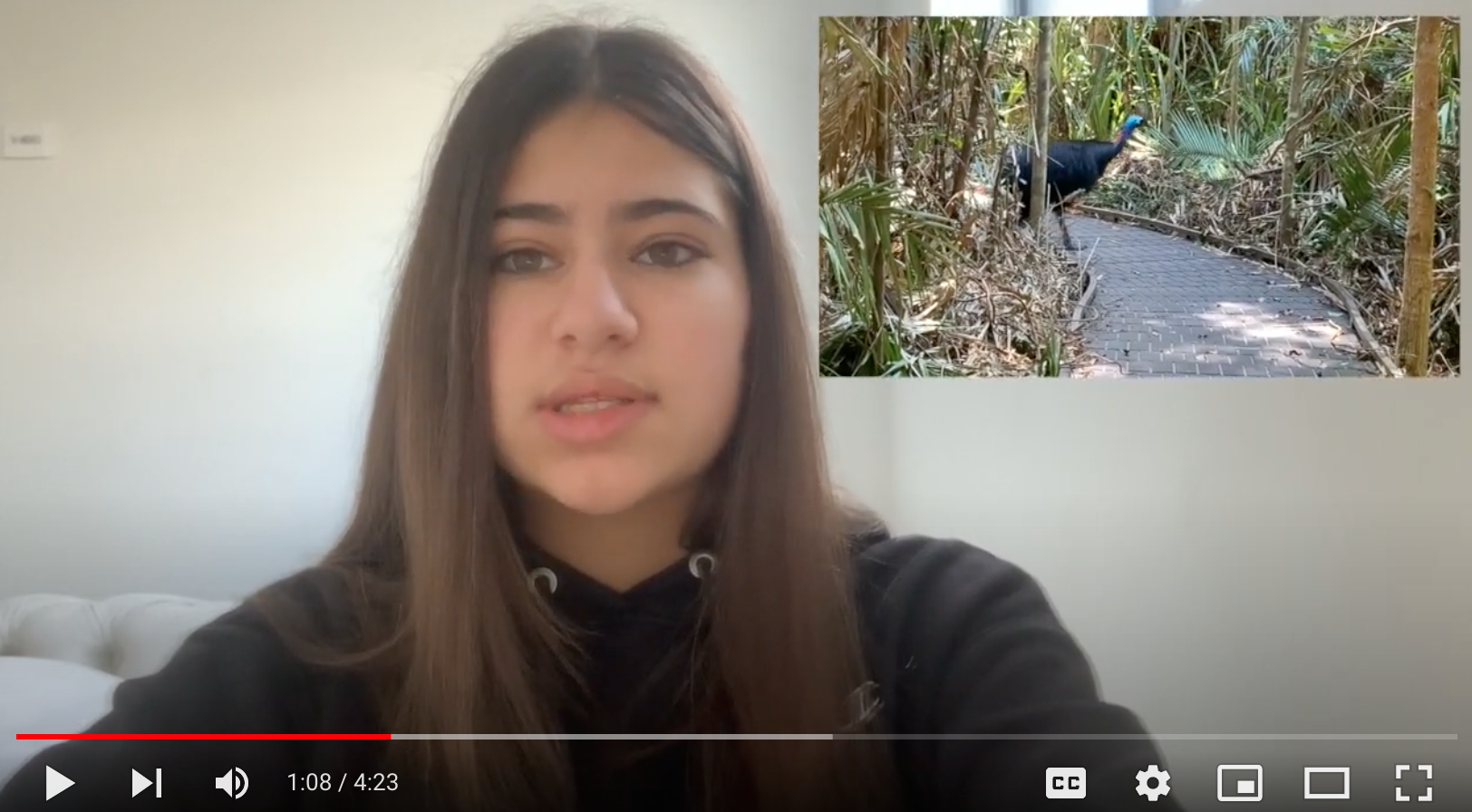
Are you an eco-warrior with video skills? The University of Adelaide Young Scientist of the Year video comp is open for entries – and this year’s judges are sharing their winning tips
Know the next climate change hero? Got an idea that will build a brighter, greener world?
The University of Adelaide has teamed up with Careers with STEM for a curriculum-linked video competition that’s open to students in years 7-10 attending an Australian school.
Channel your inner eco-warrior to make a short video on an environmental problem or solution on one of the following topics:
You could be named the University of Adelaide Young Scientist of the Year, plus win $500 for yourself, and $1000 for your school!
This is a seriously awesome opportunity for any aspiring environmental scientists! Entries are open until 29 October – but before you submit yours, check out the following tips from some of the people who will be choosing this year’s winning essay.
Professor Alan Collins, Tectonic Geologist
- Think of the sort of think you find engaging to watch and try to work out how it’s done.

“Personally, I like enthusiasm, but not overdone enthusiasm. Think David Attenborough – calm and authoritative, but still audibly and visibly loving what he’s talking about!”
- Try to imagine you are just talking to a friend, letting them know about something you find really interesting.
“It can feel pretty strange talking to a camera and not seeing your audience. Don’t worry about shooting it a few times to get it just right!”
- Tell a story!
“Make sure you have a start (an introduction), a middle (your core point), and a distinct finish (something that will stay with the viewer). Repetition is good too – it’s OK to bring back points you made earlier in the piece, at the end. You’re trying to get the viewer to remember what you have had to say!”
Joanne Villis, Digital Technologies Teacher

- Form a connection.
“Think about how you can make a connection with the viewer – whether it be through a personal experience, an anecdote, or some type of persuasive technique. Be a good storyteller!”
- Make it personal.
“Let your personality come through in the words you choose and give life to them by the way you speak. Ignite the listeners with excitement and passion about your chosen topic.”
- Make an impact.
“Avoid unnecessary distractions. Every element of your video from the images to audio and video needs to have a purpose. If it doesn’t, don’t use it. Keep your editing clean and simple.”
Anastasia Volkova, Aerospace Engineer
- Have an idea? Validate it!
- Have a solution? Challenge yourself!

protect the planet.
- Envision the solution in use!

- Tell the story that makes you passionate and curious.
“Science, as a discipline, is a deep spring of knowledge containing fascinating and raw human stories about the world around us and the scientists within it – tell the tale of a solution. Make the human connection.”
Good luck with your entries! Any questions, shoot them through to [email protected]
READ MORE: