Engineering and IT are critical to enabling social change. We ask UTS Associate Professor Eva Cheng, about opportunities to meet like-minded people who are passionate about saving the world!
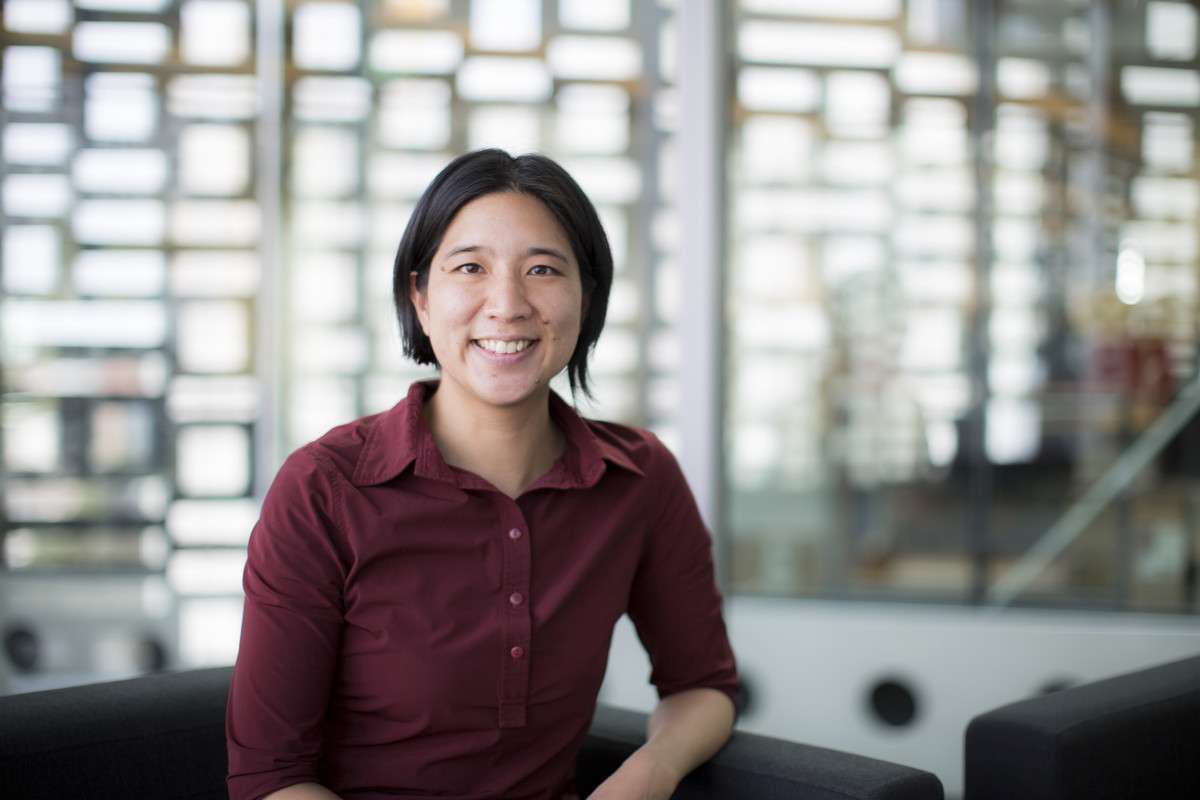
Meet Eva Cheng, UTS Associate Professor and Head of the School of Professional Practice and Leadership. She encourages students interested in social justice to study engineering and IT.
CwS: Why are you passionate about social change and what role does engineering and IT have in this?
Eva: Social change means making life better for people and the planet, be it through addressing social inequity, environmental sustainability, or developing new technologies so that we continue to increase access to opportunities and reduce our impact for future generations. Engineering and IT are critical to enabling social change, as these are sociotechnical (not just technical!) professions that bring capabilities to build the world that we want to be living in.
CwS: Why is social impact relevant for high school students choosing careers?
Eva: We know that where we are now isn’t sustainable, and if we don’t take action now, increasing social and economic inequity will impact on people’s livelihoods. Parts of our planet could become inhabitable (for any species). Marginalised populations/places are generally much more likely to be more affected than others. For example, climate migration has already started to impact our Asia-Pacific region.
CwS: What types of real-world challenges have your students been a part of?
Eva: UTS Engineering and IT students have worked on the Engineers without Borders Challenge and Design Summit, Engineering for Change Fellowships, the African STEM Education Initiative and AusLEAP. Through Engineers without Borders Australia, students can travel to Cambodia, Timor- Leste or Vanuatu to learn about the country’s history and present an engineering or technology solution in response to a community-identified need.
By combining engineering and IT students together, this means working in diverse technical teams that bring together different skills and ways of thinking, just like teams work in industry where there often isn’t a clear split between engineers and IT professionals!
CwS: Where could pursuing a career in humanitarian engineering take engineers or IT specialists?
Eva: Humanitarian and social impact capabilities are relevant and necessary for every engineering and IT career – anything they design or build will impact people, communities, and our planet. Building on your social impact interest and capabilities during your degree will make you a better professional in your career, and could open up career opportunities in social impact-focused roles in engineering/IT organisations be it non-profit or for-profit.
There’s already some amazing work in the non-profit sector utilising engineering and tech to solve tricky humanitarian and community development challenges in organisations like EWB, IEEE, the Red Cross Humanitech or Catalpa International, to name a few.
Sounds good? Engineer your future with engineering and IT scholarships at UTS
This article was first published in Careers with STEM: Future Careers, brought to you in partnership with UTS Faculty of Engineering and IT.