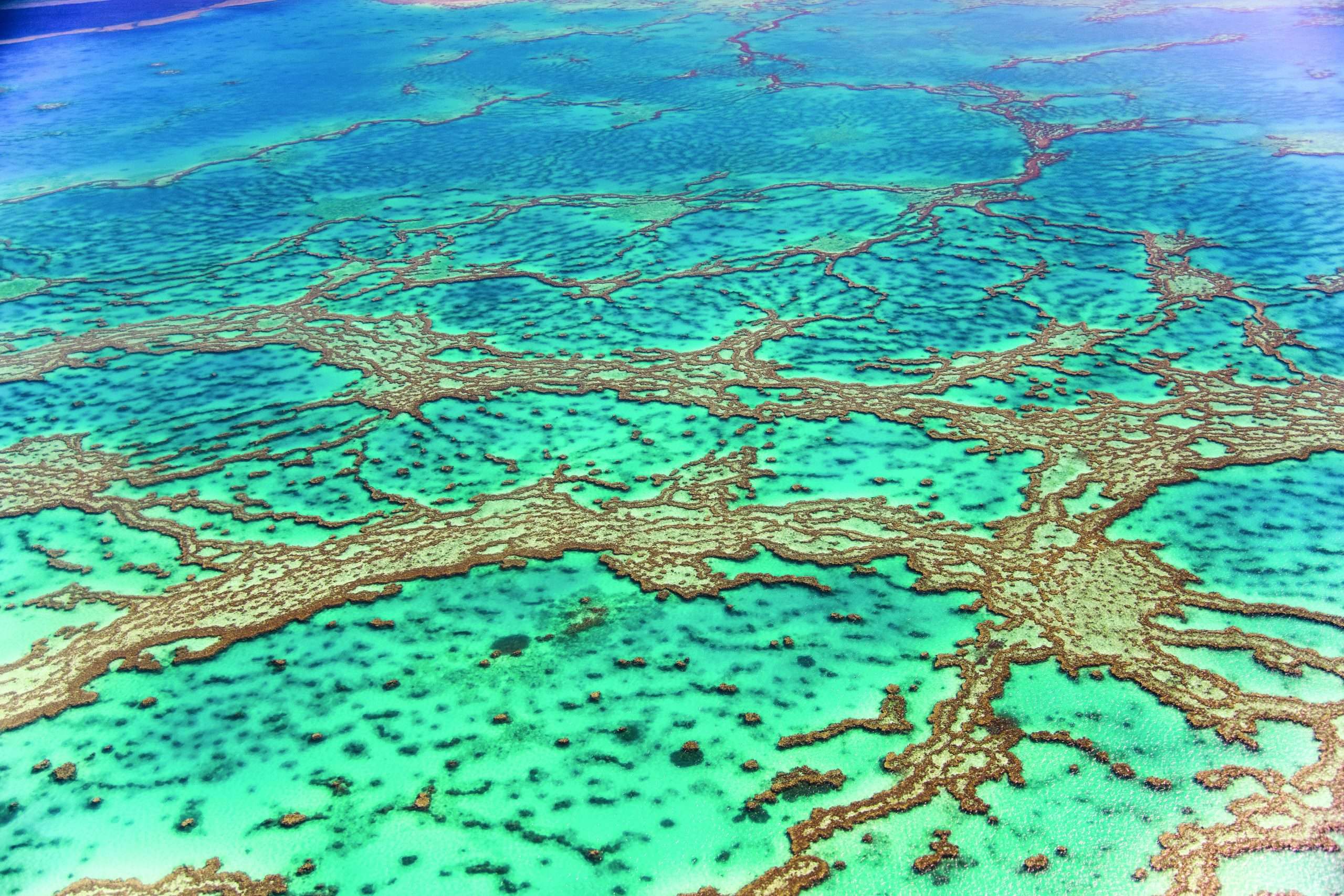
Get ready for a sea change with these marine tech jobs
Food, minerals, shipping, renewable energy, tourism. All of these growing industries rely on the ocean.
Australia’s got the third-largest marine area in the world, and the “blue economy” it supports is equally big. According to the Australian Government, the blue economy generates $229 billion each year and supports more than 700,000 jobs! Time to take the plunge into ocean tech careers.
Dive into these subjects
- Marine Science
- Software Engineering
- Engineering
- Earth and Environmental Science
- Physics
Marine data scientist
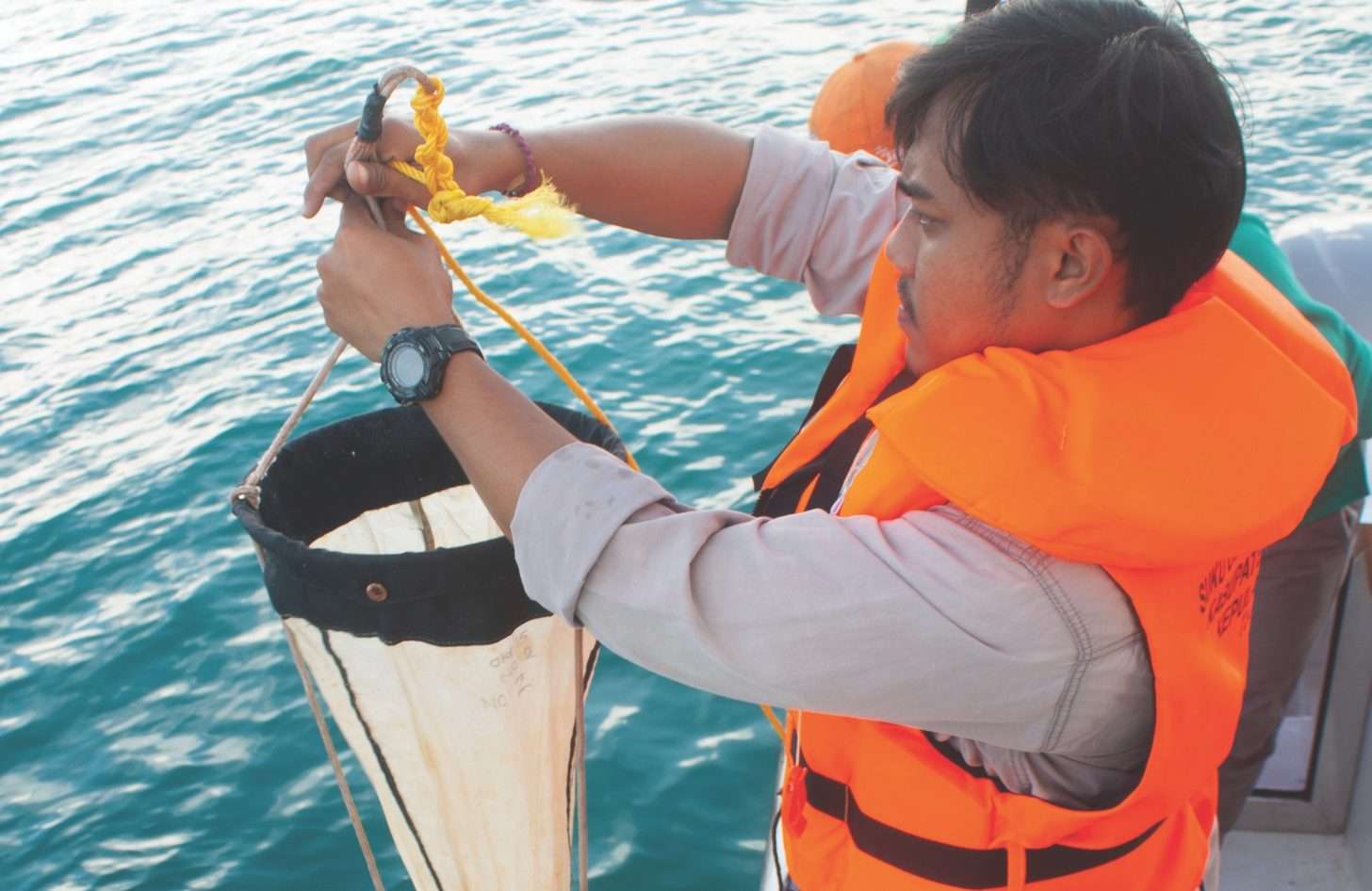
Ocean ecosystems are in danger from climate change and pollution, plus they’re hard to monitor. The good news is that newer tech can help us learn about these ecosystems.
Microphones, cameras and GPS trackers are all used to watch ecosystems. Then, data science and machine learning tools are used to help researchers make sense of the data.
This info can help give us plenty of details, like the movements of individual animals, or images that show the extent of coral bleaching on massive reefs.
Try it out: monitor corals from your couch
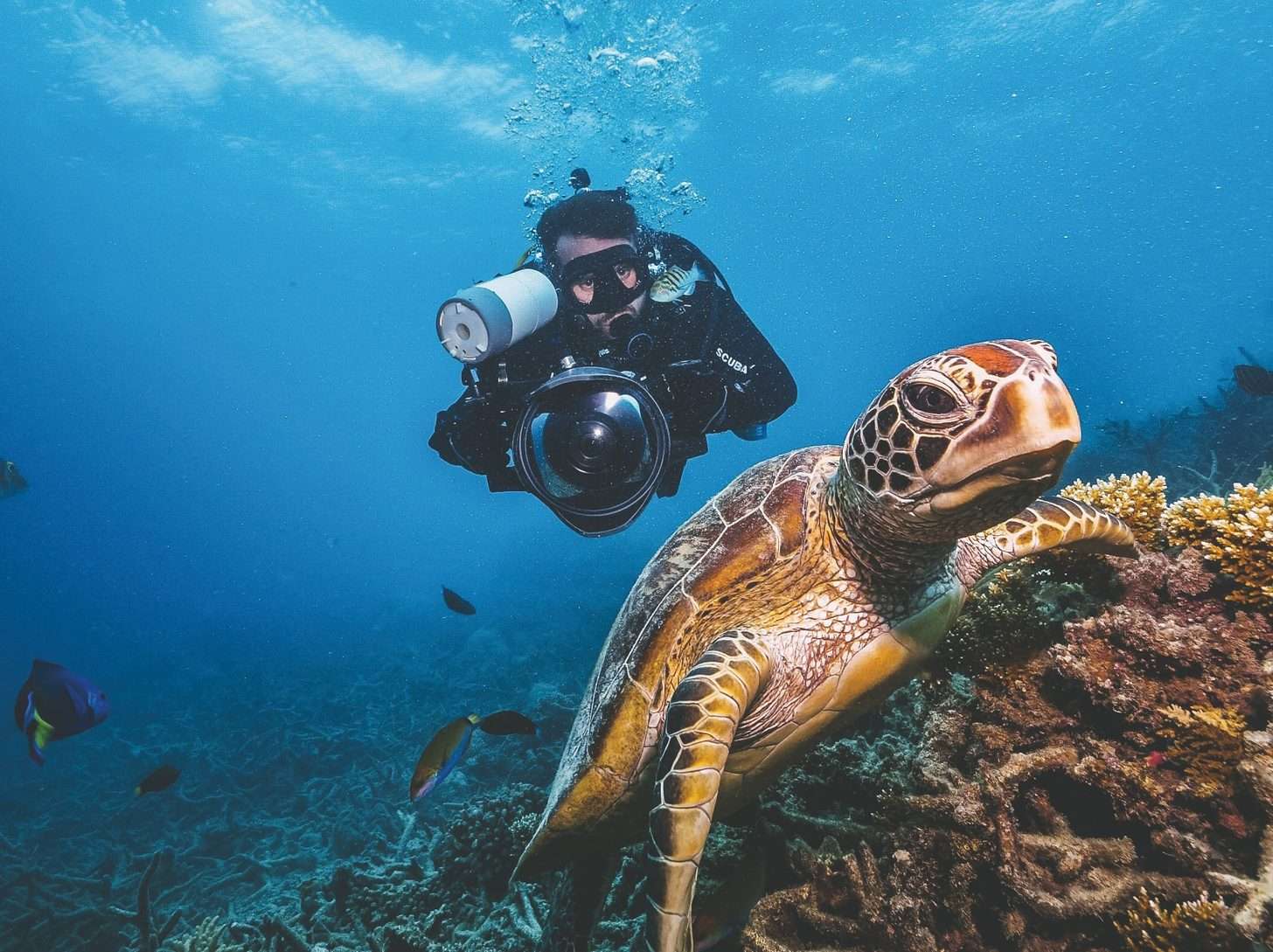
The Great Reef Census taps into citizen science power to monitor the Great Barrier Reef. Volunteers diving on the reef take photos and send them into a database, along with the locations they are snapped in. Then, citizen scientists help to analyse and classify the corals in each photo. This project has already analysed more than 600,000 images. Talk about big data!
You can get involved right now if you’re keen. Sign up to help analyse reef images https://greatreefcensus.org/
If you want to see a cool visual of ocean currents in motion, head to earth.nullschool.net
Ocean modeller
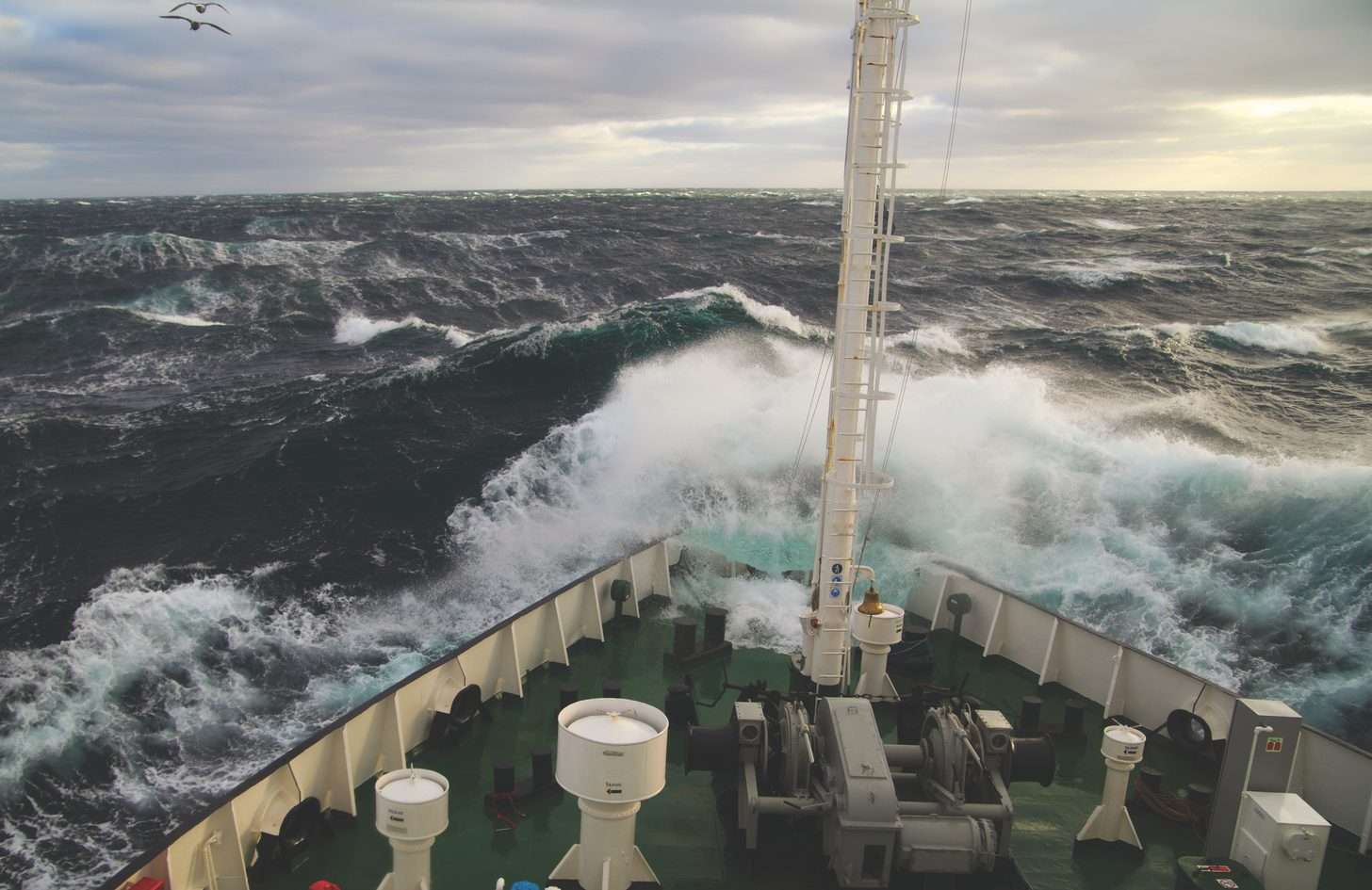
Knowing how the ocean is moving is vital for understanding everything from the weather to shipping, fishing and a host of other oceanic activities.
Ocean currents are mapped with ships, autonomous floats, and satellites tracking temperature and ocean height. All of this data heads to ocean modellers, who predict how currents might move and change in the
future. They need some of the world’s biggest supercomputers to make their calculations.
Maritime engineer
We can’t send scuba divers to every part of the ocean we want to investigate – and even if we could, it’s usually way safer to let a robot do the work!
Autonomous underwater vehicles (AUVs) are used to map ocean floors, collecting data for ecological, mining and engineering projects such as offshore wind farms. Meanwhile, autonomous devices floating in the ocean send data about temperature and speed so we can monitor currents.
All of these devices have to handle very low temperatures, low light and high pressure – and, oh yes, being underwater. If you’re interested in some of the trickiest problems in robotics, you should look into maritime engineering careers!
Work here
- Australian Department of Defence
- Bureau of Meteorology
- Australian Institute of Marine Science
- Fugro Australia
- CSIRO
Start your career here
Technology + Oceans + Study
- Bachelor of Coastal and Marine Science, University of Newcastle
- Bachelor of Data Science, QUT
- Bachelor of Maritime Engineering (Specialisation) (Honours), University of Tasmania
- Bachelor of Science (Marine Science), Macquarie University
- Master of Oceanography, University of Western Australia
Technology + Oceans + Jobs
- Maritime engineer: $95K–$115K
- Marine surveyor: $105K–$115K
- Naval architect: $100K–$120K
- Hydrologist: $100K–$110K
- Data scientist: $115K–$135K
*Salaries according to seek.com.au
This article was first published in Careers with STEM: Technology.