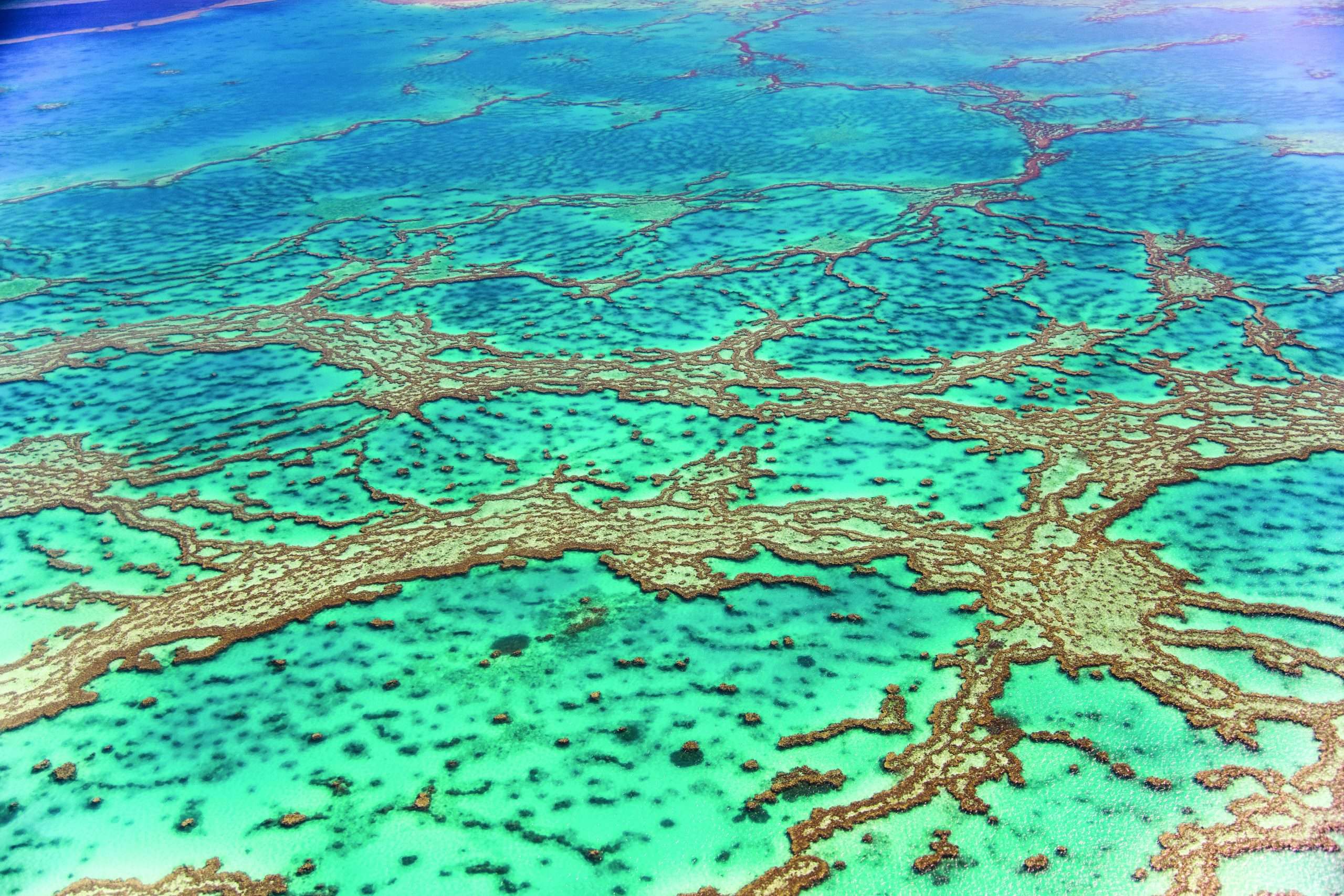
So you want to be a marine biologist. But how do you become one? And what do they really do?
Marine biology is the study of life in the ocean and other saltwater environments. It’s an amazing STEM career path for anyone who’s keen on conservation or passionate about the environment. Below, we’ve answered all your burning questions on how to become a marine biologist, including what to study, the skills you need and where you could end up working.
What skills do I need to become a marine biologist?
To be an awesome marine biologist, you’ll need:
- A love of ocean life
- To be good with numbers and statistics (for reporting)
- The ability to do practical fieldwork
- Teamwork and communication skills
- Excellent observation skills
- To be okay with working outdoors in all conditions
What do I need to study to become a marine biologist?
A degree in marine science or marine biology is super helpful, or even a Bachelor of Science with a major in marine biology or marine science.
Marine Science Australia put together this handy list of marine science and marine biology courses throughout Australia:
Queensland
- Bachelor of Marine Science at Griffith University
- Bachelor of Science with major in Marine Biology at Griffith University
- Bachelor of Marine Science at James Cook University
- Bachelor of Science with major in Marine Biology at James Cook University
- Bachelor of Science Aquaculture Science and Technology at James Cook University
- Bachelor of Science with major in Marine Science at UQ
- Bachelor of Science with major in Marine Biology at UQ
- Diploma of Science with Marine Science major at UQ
New South Wales
- Bachelor of Marine Science with specialisations in Marine Biology and Marine Geoscience at Macquarie University
- Bachelor of Science with major in Marine and Coastal Science at the University of Newcastle
- Bachelor of Environmental Science and Management with major in Marine Science at the University of Newcastle
- Bachelor of Science with major in Marine Science at the University of New South Wales
- Bachelor of Science with major in Marine Science at the University of Sydney
- Bachelor of Marine Science at the University of Wollongong
Victoria
- Bachelor of Science with major in Marine Biology with major in Fisheries and Aquaculture at Deakin University
- Bachelor of Environmental Science with major in Marine Biology at Deakin University
- Bachelor of Science with major in Marine Biology at the University of Melbourne
South Australia
- Bachelor of Science Marine Biology at Flinders University
- Bachelor of Science Marine Biology and Aquaculture at Flinders University
- Bachelor of Science: Marine Biology at the University of Adelaide
Tasmania
- Bachelor of Marine and Antarctic Science at the University of Tasmania
- Master of Applied Science: Marine Environment at the University of Tasmania
Western Australia
- Bachelor of Science with major in Coastal and Marine Science at Curtin University
- Bachelor of Science with major in Marine and Fresh Water Science at Edith Cowan University
- Bachelor of Science with major in Marine Science at Murdoch University
- Bachelor of Science with major in Marine Biology at Murdoch University
- Bachelor of Science with major in Marine Science at the University of Western Australia
Can you specialise in a particular area of marine biology?
Sure! You could become an aquarium manager, fish biologist, mammalogist, marine biotechnologist, marine ecologist, science educator or communicator, or a veterinarian, just to name a few!
Check out the career pathways of some of the incredible marine biologists we’ve profiled on Careers with STEM.
Blake Chapman: Marine biologist and shark advocate
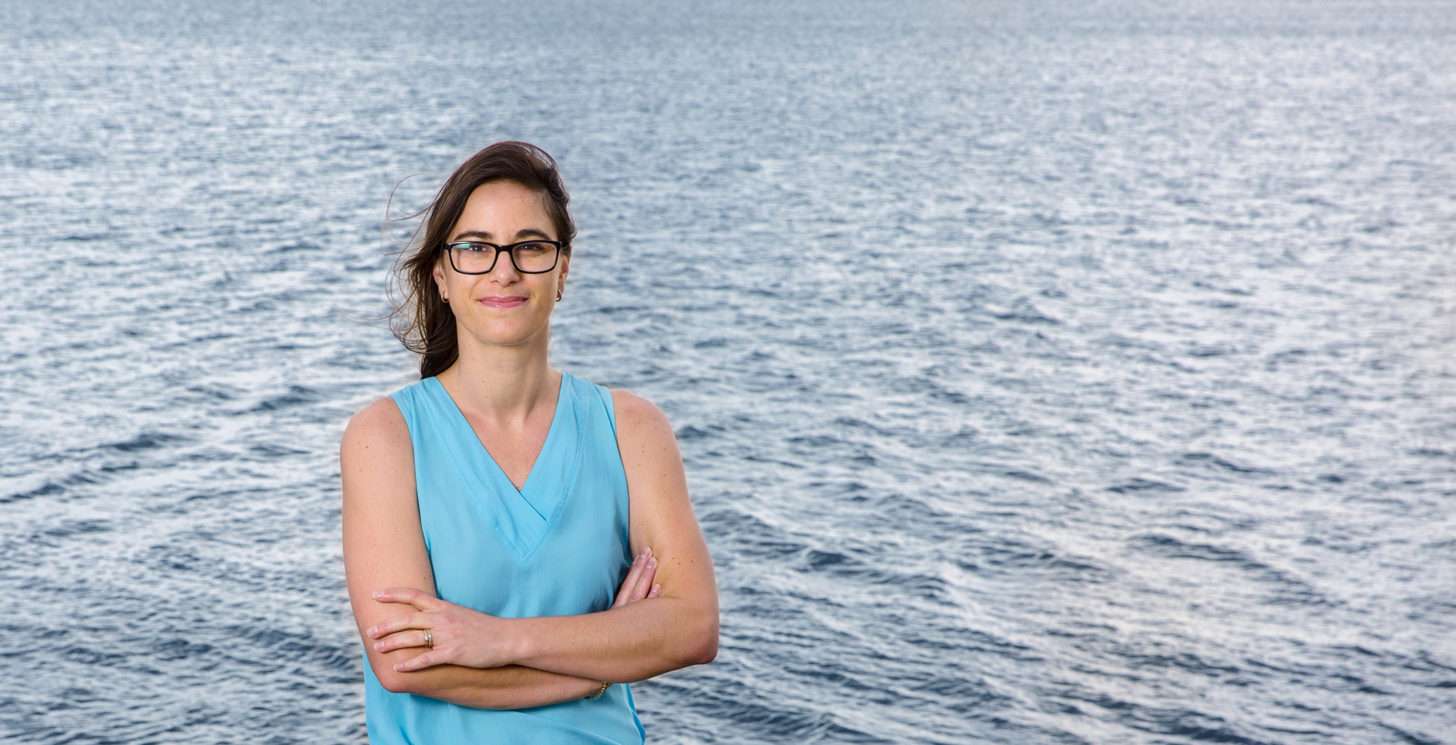
Blake Chapman combines her science and communication skills to bust myths about sharks. Get across her study and career path here.
Mardi McNeil: Marine geoscientist

QUT PhD candidate Mardi McNeil studies a type of algae that can reveal insights into the past, present and future of the reef. Read up on her marine adventures here.
Maya Santangelo: Undersea specialist

Maya Santangelo is an undersea specialist, which means hanging with endangered hammerheads and swimming with great whites is as standard as grabbing a coffee or opening a word doc. Find out more about her STEM journey here.
What does a marine biologist actually do every day?
Research! They look at things like migration and evolution patterns of marine life, the health of marine environments, the human impact on marine animals and reefs, and how to repair damage to ecosystems.
A marine biologist conducts their research through:
- Collecting specimens and samples from the field
- Analysing and compiling data
- Conducting experiments in the lab
- Writing reports and papers
Common tools they use include cameras, sensors, drones, satellites, collecting nets and yep, you guessed it, scuba gear.
Where can you work as a marine biologist?
Lots of places. A marine biologist usually works in a lab, at sea or at a research station. They can work for the government, private research labs, aquariums, zoos, museums or in academia.
Can marine science jobs be creative?
They sure can. Marine science jobs are critical to keeping our rivers and oceans healthy, but are also an unexpected avenue into a creative career. We’ve got the lowdown on how a ceramicist is helping handfish to breed successfully, and how a CSIRO researcher is tapping in to her Indigenous heritage to track dugong populations.
What’s the average salary for a marine biologist?
According to payscale, the salary for a marine biologist can range from $43k to $106k. The average salary is $58,482.
Are there other STEM + ocean jobs out there?
Absolutely! Discover yours by taking our quiz below. We’ve also made a list of other ocean careers over here.
Discover more cool careers in science at the Careers with STEM science hub. It’s filled with the latest in science gigs, interviews with the pros, videos, quizzes, competitions and more.