Timberland’s new artist “TaTa” is ready for her debut, there’s just one catch – she’s not human
Rapper and producer Timberland has launched a new company called Stage Zero, which uses an AI platform called Suno that has created the first-ever artist made entirely by AI. And it could change the future of tech + music careers.
In a media release, Timberland says, “TaTa is a living, learning, autonomous music artist built with AI. TaTa is the start of something bigger. She’s the first artist of a new generation. A-Pop is the next cultural evolution, and TaTa is its first icon.”
Timbaland has sparked debate on whether this is the first step for AI to replace artists, particularly independent artists, as Suno is facing lawsuits with Universal, Sony and Warner over copyright allegations.
So, what are the ethics of AI in music?
Many musicians already use AI in their creative process. Grimes has incorporated AI into her music production, visuals and concepts with her track “Basilisk’s Lullaby”. Kanye (Ye) has mentioned that he will be using AI in his upcoming album, “Bully,” and compared AI to autotune.
In a report by Youth Music, 47% of young people felt that most music in the future will be made by AI. However, there will always be a need for human-made music as making music is deeply human: it’s our unique stories that make us feel, teach and energise us. That’s something AI cannot understand or replicate.
The global success of K-Pop Demon Hunters, for instance, shows audience openness to virtual artists, however, people still crave the human touch. It took nine years and a team of pop songwriters, lyricists, and music producers from THEBLACKLABEL to craft the film’s music, demonstrating that even with animated K-pop bands, real human talent is still behind the magic that tops the charts.

What does this mean if you want a career in tech + music?
It means a few things: that it will likely be harder for upcoming artists to get their big break, but it does open up doors for music and STEM professionals.
- AI music engineers – create and analyse music production using AI tools to streamline workflow or enhance sound quality.
- Digital rights managers – they control access to and use of digital copyright content.
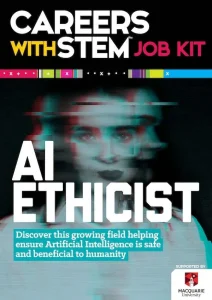
- AI ethicists for creative industries – they can shape ethical practices, ensuring responsible creation and use of AI. You can read more about AI ethics as a career in our job kit.
When it comes to the future of music and the careers around it, it’s not about AI taking over. Instead, it’s about how to use AI as a tool to help us create art that benefits our minds and souls, rather than completely replacing musicians. This requires regulations and rules to protect the copyright of human artists and ensure that AI training data is sourced ethically with permission.
Feature image credit: Stage Zero