Scientific discoveries often lead to new and better products, but making the leap from the lab to everyday living requires a shift in perspective. Learning to think like a designer as well as a scientist is one way to utilise STEM (science, technology, engineering and maths) skills to help find solutions to problems in the real world.
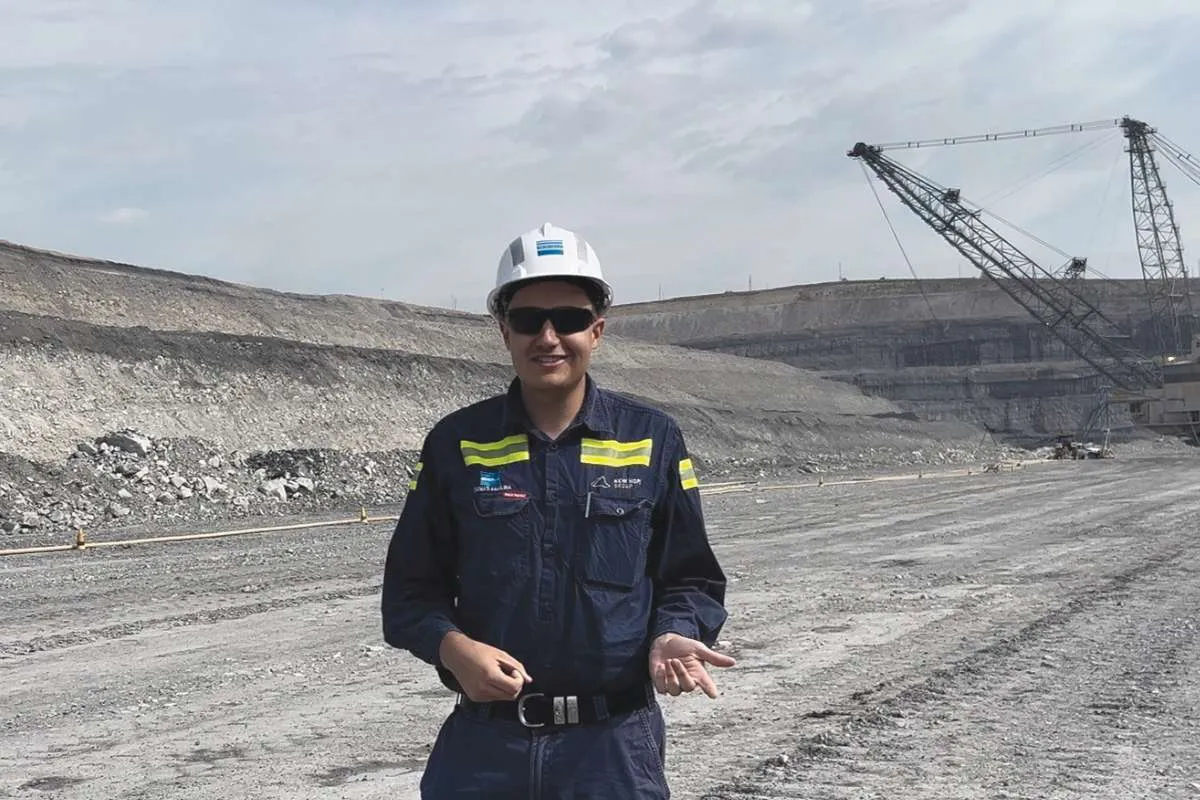
Dominik Kopp is a PhD student at Macquarie University’s Sunna Lab where he is part of a group researching ways to make better use of biowaste. Sydney cafes alone produce 3000 tonnes of coffee waste a year. So, Dominik had the idea to see if spent coffee grounds could be used to make biodegradable plastic. “Hardly anyone does anything with that waste resource, and it’s highly abundant,” he says.
Using synthetic biology, Dominik figured out how to convert the sugars in coffee grounds to lactic acid, a key component of biodegradable plastic. In the future, Dominik’s technique could be used to turn coffee waste into coffee cups.

For Franziska Seehuber, a unit on Design Thinking helped bring together the skills she learned in her biomedical engineering degree with what she was learning in the Master of Interaction Design and Electronic Arts at the University of Sydney. She was partnered with two other students, Anna Maria Natlacen and Jessica Watts, to create product that addressed human-centric care in the health sector.
After some very thorough user research, the team came up with the idea for PetiteBeat, a pillow that amplifies an unborn baby’s heartbeat through light and sound so that pregnant women can form a more emotional connection with their babies.
Now they have formed a startup to take PetiteBeat to the market. Franziska says that her STEM background has been invaluable in producing prototypes. “It was good to have my biomedical engineering background because I could immediately evaluate if the concept was even possible,” she says.

Design thinking can benefit students from any field says unit lecturer Dr Naseem Ahmadpour. She says the subject attracts students from science, medicine, health, business and engineering, as well as design.
“More and more I think we do need people to have combined skills because the technology is developing and potential solutions are becoming more and more complex,” she says. “The career paths are endless.”

This article was originally published in Careers with STEM: Science 2019.