By working in engineering or IT, you can help invent or deliver solutions to some of the world’s biggest problems, including humanitarian and climate challenges
Have you ever heard the term humanitarian engineering? If not, and you like the idea of using your engineering or IT skills for good, then keep reading!
Humanitarian engineering is all about applying engineering and tech development principles and actions for human-centred and sustainable development. All with the aim of helping people around the world. You can apply humanitarian engineering in all types of engineering be it civil, mechanical, electrical or software engineering plus all IT disciplines.
UTS collaborates with international organisations that have local community partners, like Engineers without Borders (EWB) Australia, Engineering for Change, Elevate Programs International, the IEEE and the African STEM Education Initiative (ASEI) to help students get involved in real projects. The university also runs a program called UTS Shopfront, where you can work with a local non-profit to deliver a social justice project as part of your coursework.
Read more: Engineer your future with engineering and IT scholarships at UTS

Do work that matters
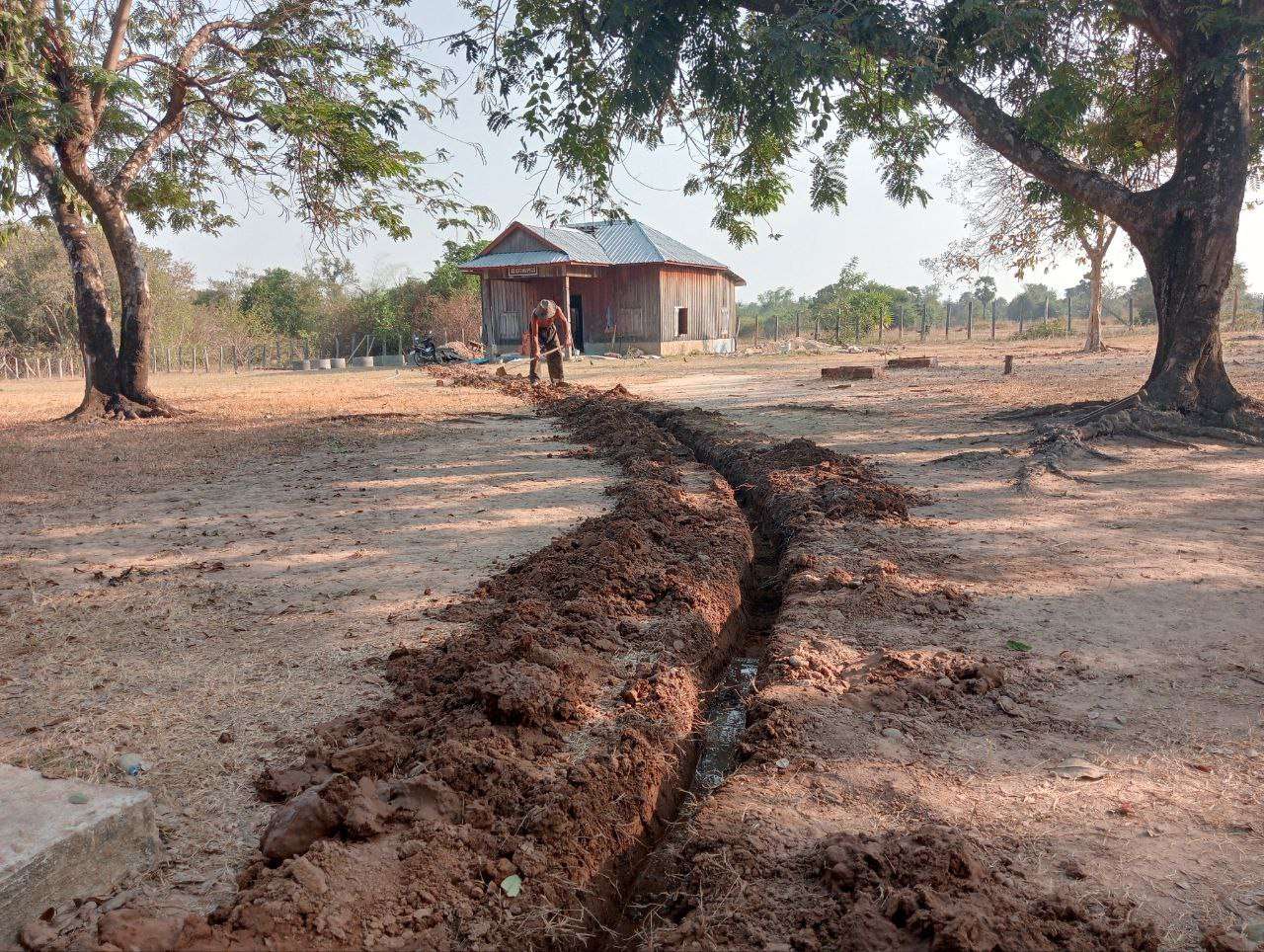
During her studies, UTS Civil Engineering student Michelle Nguyen joined the EWB Design Summit program and learnt about humanitarian engineering. Michelle later worked with the Cambodian Rural Development Team (CRDT) to raise funds to build a new toilet block for a primary school on the rural island of Koh Tnaot. “The new facility has improved health and sanitation for the 116 students and 6 teachers of Koh Tnaot primary school, resulting in increased school attendance,” Michelle says.
The team has also assisted community members and school staff to maintain the new facility, ensuring it can remain in good condition for years to come. “This project was a great example of how small projects can make a big impact!” Michelle adds.
Did you know? UTS is one of the top 50 universities in the world for social and environmental impact, as ranked by QS and Times Higher Education
This article was first published in Careers with STEM: Future Careers, brought to you in partnership with UTS Faculty of Engineering and IT.