Here’s how to make career and study options visible early, explain where they lead, and give families something to hold onto
A magazine on a classroom table. A course guide pulled from a school bag. Career conversations can start in surprisingly simple ways. And sometimes, it’s just a page turn away.
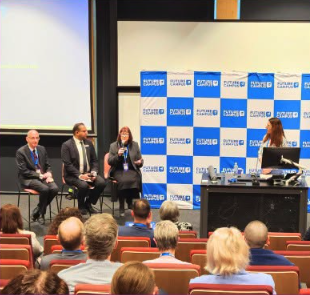
At last week’s HE Fest, a panel of secondary school principals had a clear message for universities. Introduce students to their options early, show where those options lead and give families something they can take home: print.
Across Australia, students are being encouraged to swap screen time for print time. And for teachers helping students navigate the giant “what next?” question, this HE FEST panel was a useful reminder of the role print can play.
From school bag to kitchen table
Moderated by Maria Souris, Executive Director, Future Students at Macquarie University, the discussion explored how students and families make decisions about life after school.
Robin Chand of Chatswood High School said families still value brochures and other physical resources. Brother Stephen Hogan of Oakhill College described sharing guides at parent report nights, giving families something tangible to take away and revisit.
That guide might land on the kitchen table, spark a question over dinner or get passed to a sibling. It gives a career conversation somewhere to begin, and something to come back to.
Make room for the unexpected
Students can search online for a career they already know about. But how do they discover the job they’ve never heard of?
That’s where flipping through pages can work its magic. A student flicking through Careers with STEM might stumble across a surprising role model, an unfamiliar study pathway or a job that connects STEM with something they already love.
There’s no need to know the right search term. Just turn the page and see what catches their eye.
Print and digital make a handy team here: the magazine sparks curiosity, while the website helps students dig deeper and take their next step.
Help students connect the dots
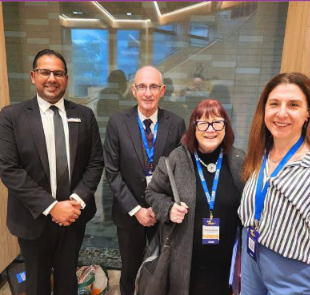
The principals also called for clearer information. Robin said students’ aspirations remain high, but their confidence in the path ahead has been shaken.
Knowing where a course could lead helps make that future feel more concrete. Cost matters too, with Christine Cawsey AM of Rooty Hill High School and Brother Stephen raising families’ concerns about the financial commitment of university.
For families unfamiliar with university, accessible print info is especially valuable. Christine highlighted three things they want to understand: the course, the campus and the credentials.
Try a page-turning career activity
Time to spark a discussion! Put a few magazines on a table and invite students to:
- Find a career they didn’t know existed.
- Pick a role model whose interests overlap with theirs.
- Take a story home and discuss it with family or a friend.
- Follow up online to explore pathways and entry requirements.
No student needs their whole future mapped out today. But magazines and other print materials are an invitation to explore, a clear next step and permission to be curious.