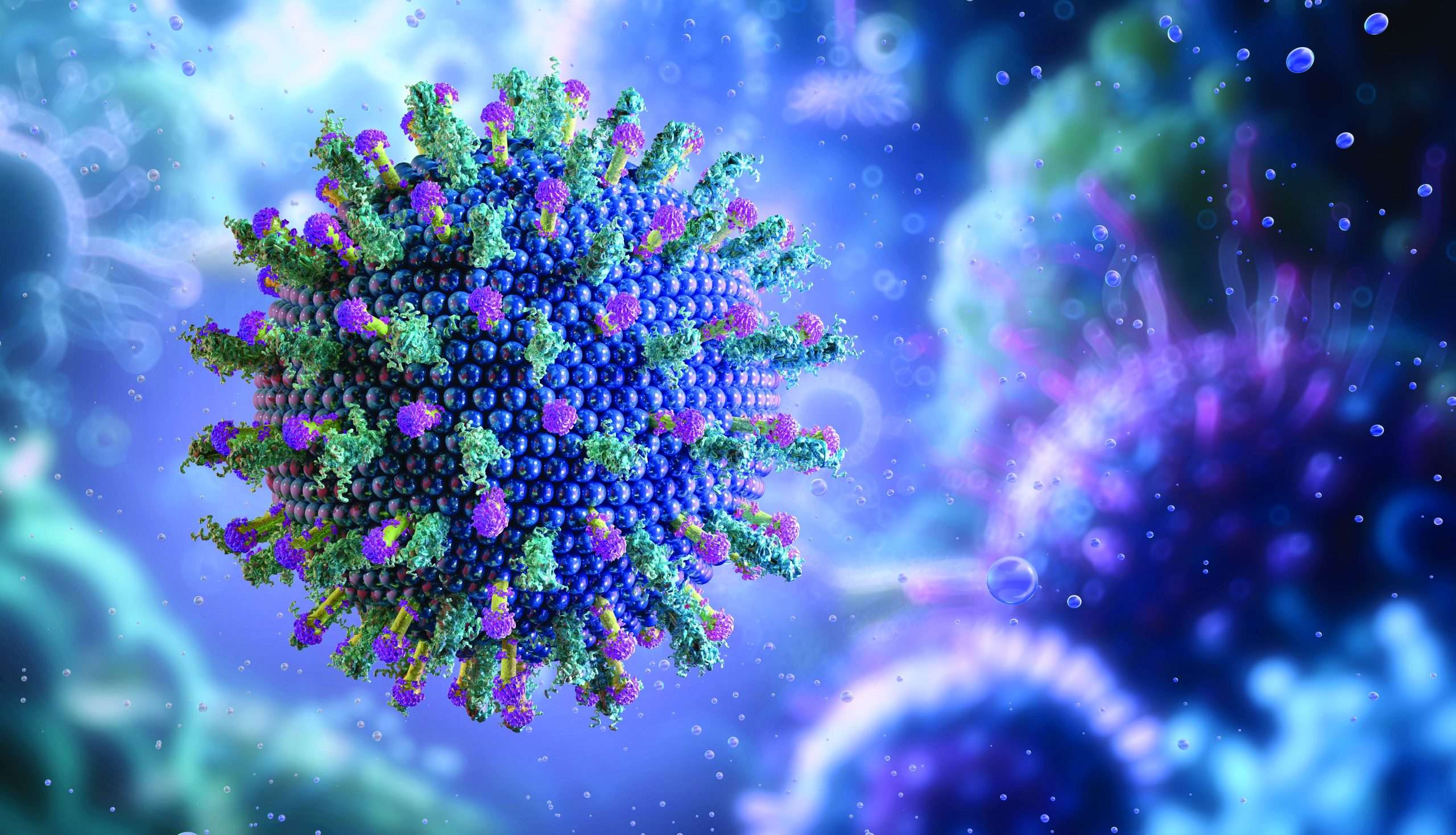
By learning biology’s secrets, you could discover opportunities that nature never even dreamed of
Life on Earth is encoded in a shared language of biochemistry. From instructions written in DNA emerge the building blocks of proteins, fats and sugars, which combine into functional, living organisms. Scientists are not only learning this language, they are finding ways to reimagine it in novel ways. Synthetic biology is a rapidly evolving field of study where researchers construct and redesign biological systems to give them new
functions that suit our needs. At its core, synthetic biology combines biology, chemistry, engineering and
computer science to build living systems from the ground up.
Cut and paste
Researchers are already learning how to strip bacterial genomes down and rebuild them into cells that are entirely synthetic. A tool known as CRISPR allows researchers to tweak DNA codes as easily as we might cut and paste text. By removing or adding sequences into existing cells, future researchers could help crops adapt to dry or salty conditions, make foods that are more nutritious, or reduce the risk of disease in livestock and even humans.
Reprogrammed lifeforms
Check out these examples of synthetic biology in action!
Medicine from microbes
The common gut bacterium E. coli has been reprogrammed into a mini-factory. It can make insulin for people with diabetes, reducing the risks and costs of sourcing insulin from animals.
From bread to biofuel
Common brewer’s yeast has been tweaked to produce carbon-neutral biofuels. That’s a win for the environment.
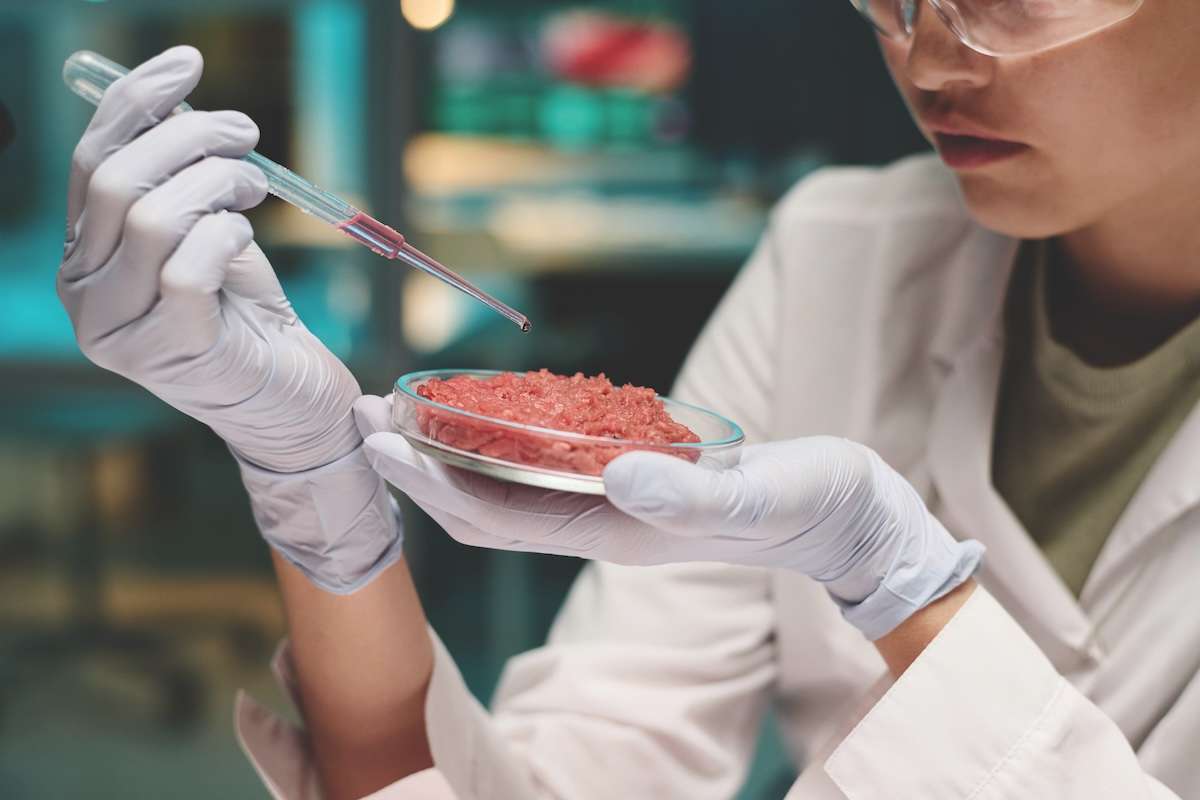
Lab-grown meat
Science is serving the ‘meat’ without the moo. Animal tissues are being grown in labs to deliver more ethical and sustainable meat – without livestock.
The ethics of redesigning life
The next life-changing breakthrough might not come from nature, but from a lab bench where life itself is reimagined. Are we ready for what comes next? We’ll need bioethicists to make sure we are.
Biology that’s booming!
According to CSIRO, Australia’s synthetic biology sector could generate $30 billion in annual revenue
and create over 50,000 jobs by 2040! From bioengineers and bio technologists, to data scientists and bio manufacturing specialists, careers in this field are growing. You could work in industries like health, food, energy or environmental science.
Summer of science
QUT master’s student Summer Satterthwaite has been hooked on biology and the natural world ever since she was little.

Biotechnology student
“Thanks to many David Attenborough documentaries, I was always interested in animals and the natural world as a little kid,” Summer explains. “But when I began to learn about how life works at the genomic level, I was
absolutely astonished to discover that every living thing – from giraffes to microbes to jellyfish – was working with the same tool set.”
After majoring in biotechnology at Te Herenga Waka–Victoria University of Wellington, Summer won an Australian Academy of Technological Sciences & Engineering scholarship to study a Master of Philosophy (Biotechnology) at QUT.
Summer’s studies in synthetic biology now focus on semiochemicals. These compounds allow organisms to influence one another’s behaviours, like pheromones.
“Pheromones are incredibly powerful tools even in low quantities, but can be challenging to produce using traditional chemical synthesis, the perfect avenue for synthetic biology to step in,” Summer says.
Start your career here
Science + synthetic biology + study
- Bachelor of science (biotechnology), Macquarie University
- Bachelor of science (biotechnology), RMIT
- Bachelor of science (biotechnology), Victoria University of Wellington Te Herenga Waka
- Bachelor of Biomedical Science, University of New England
- Master of Biotechnology(synthetic biology and industrial biotechnology), The University of Queensland
- Master of Biotechnology and Bioinformatics, La Trobe University
Science + synthetic biology + jobs
- Food technologist $55K–$93K
- Research associate $55K–$126K
- Biotechnologist $49K–$92K
- Biochemist $62K–$122K
*Salaries according to payscale.com
Written by Mike McRae. This article first appeared in Careers with STEM: Science 2026.