Want to feed the world while saving the planet? Ag science is your next frontier
Forget that image of a weathered old guy in a plaid shirt on a tractor. Aussie farmers are among the most science-savvy in the world, and agriculture is brimming with STEM jobs.
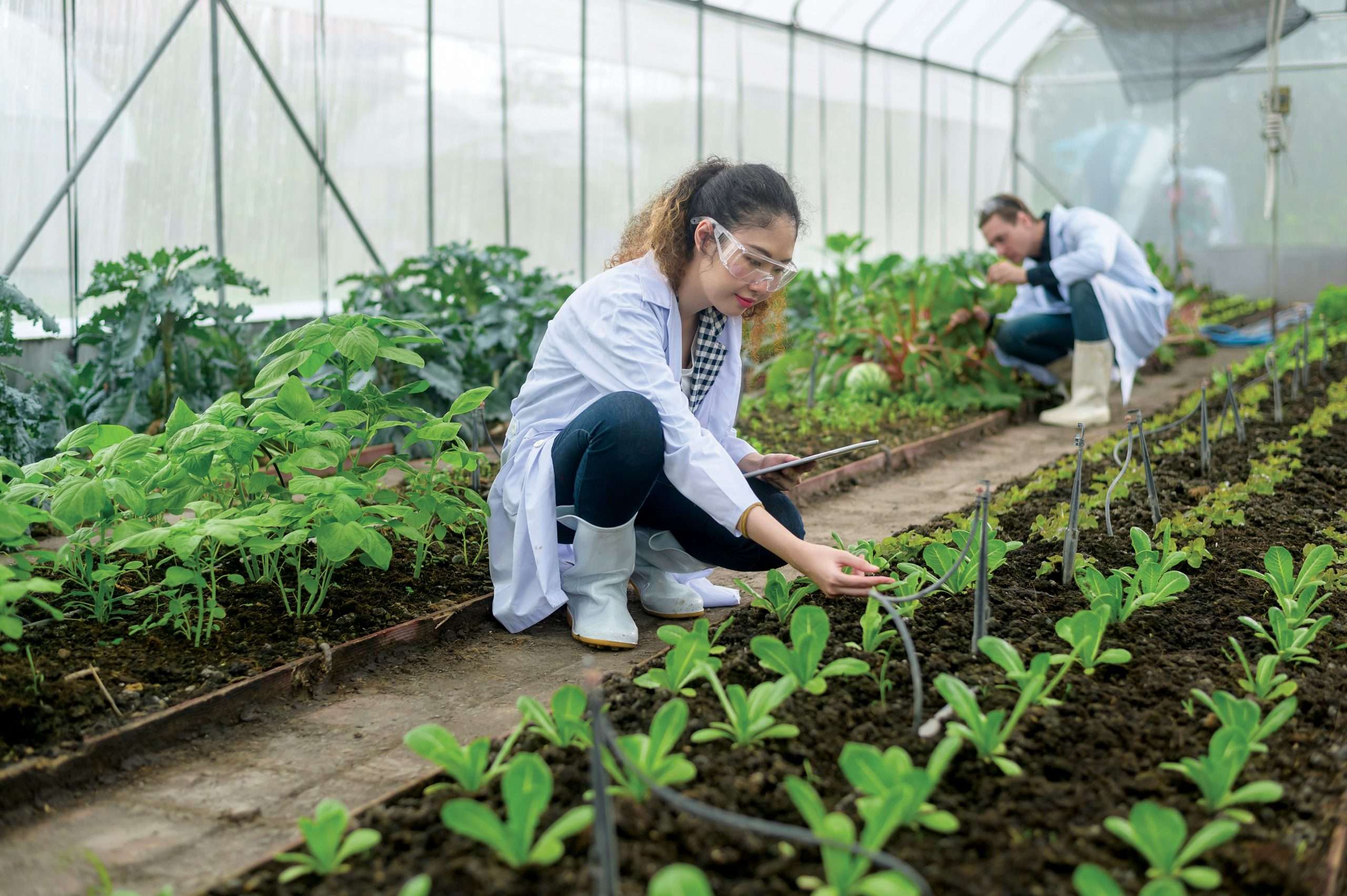
With a career in ag science, you could be in a lab figuring out how to improve livestock genetics or studying the life cycle of harmful insects that farmers need to control. You might be at an exciting AI startup working to combat climate risk. Perhaps you’ll go diving in the aquaculture industry. Or maybe you’ll go roving around the stunning Kimberley rangelands, working with pastoralists to promote ecological food production.
By 2030, the government thinks ag jobs will tip away from traditional roles towards more creative science roles.
Subjects matter
The government wants students from all kinds of disciplines to testdrive a career in ag through its new AgConnections placement scheme. It’s keen to enlist city dwellers, women and First Nations people too. Take a look at the subjects it’s targeting:
- Engineering
- Mathematics
- Business management
- Information technology
- Animal science
- Biotechnology
- Environmental science
- Marketing and communications
International Year of the Woman Farmer in 2026
Did you know nearly two-thirds of agriculture and environment graduates are women? Plus, female high school students are learning to solve real-world agtech problems through programs such as GrowHer in Queensland. All good reasons to celebrate the International Year of the Woman Farmer in 2026!
Real ag scientists in the field
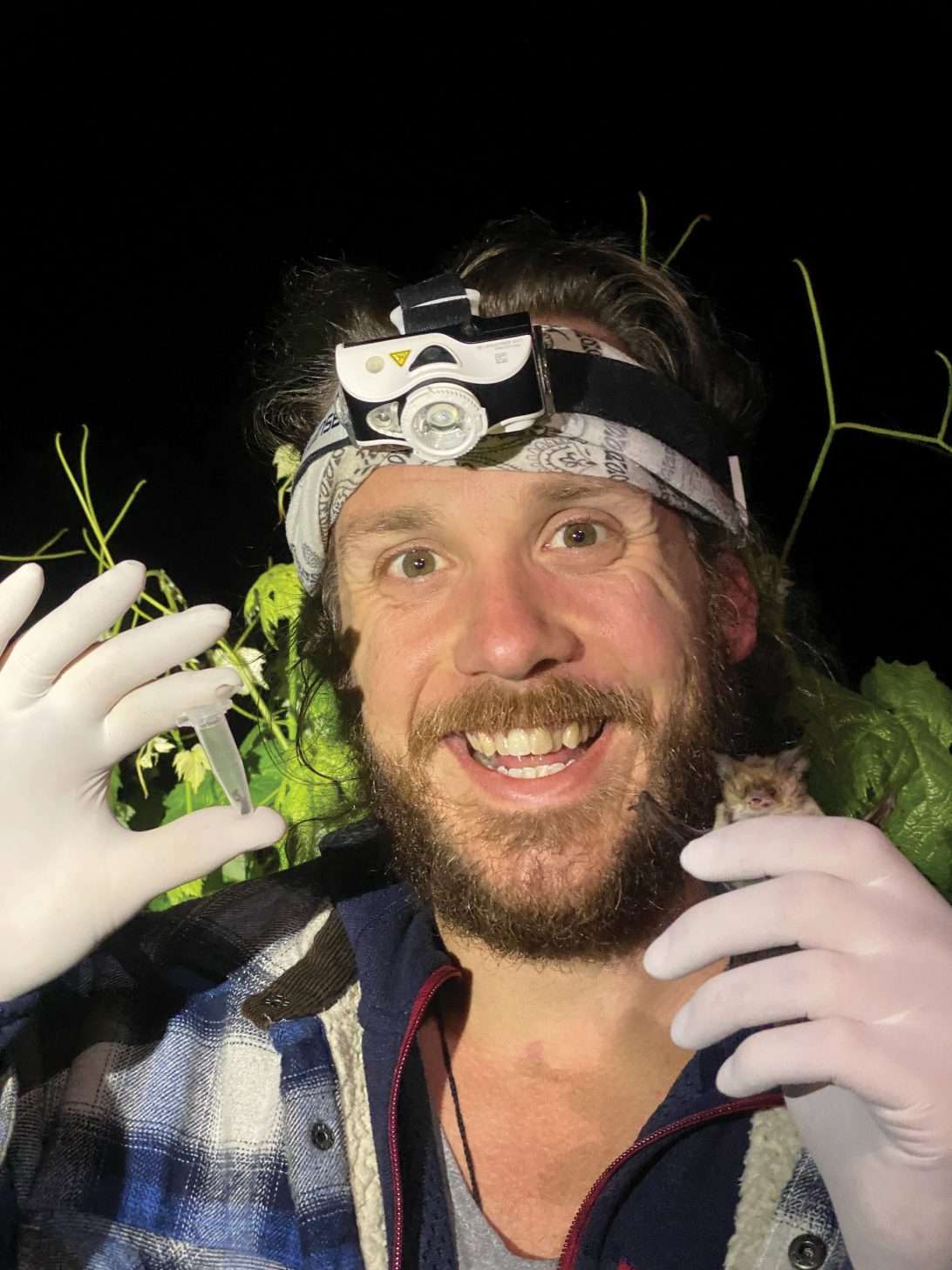
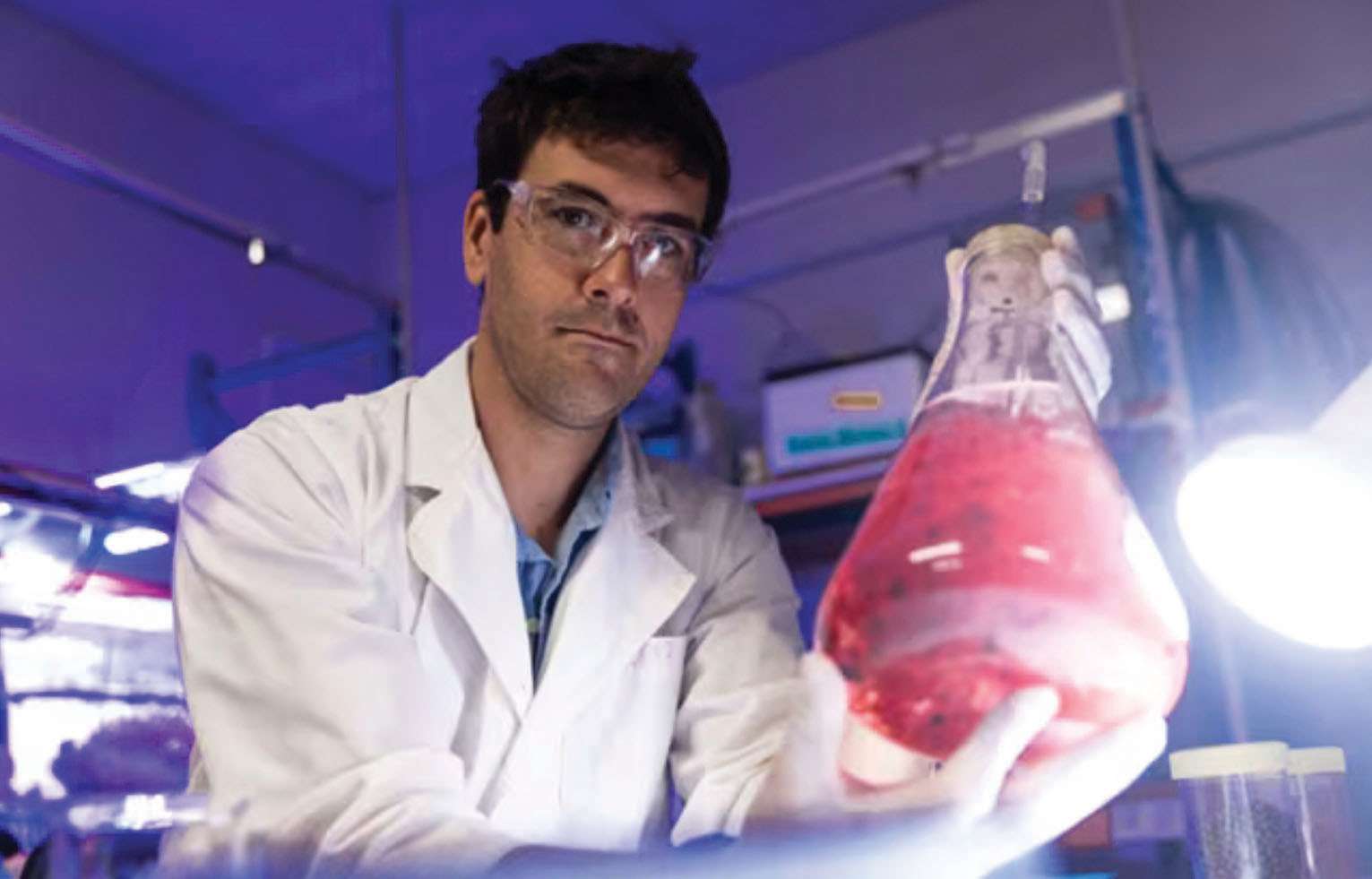
Dr Zenon Czenze (biology graduate) investigates whether bats could control pests in the wine industry, reducing pesticide use.
Indiana Rhind (engineering and agricultural engineering graduate) is founder of ag consultancy Demeter Engineering and an ag educator.
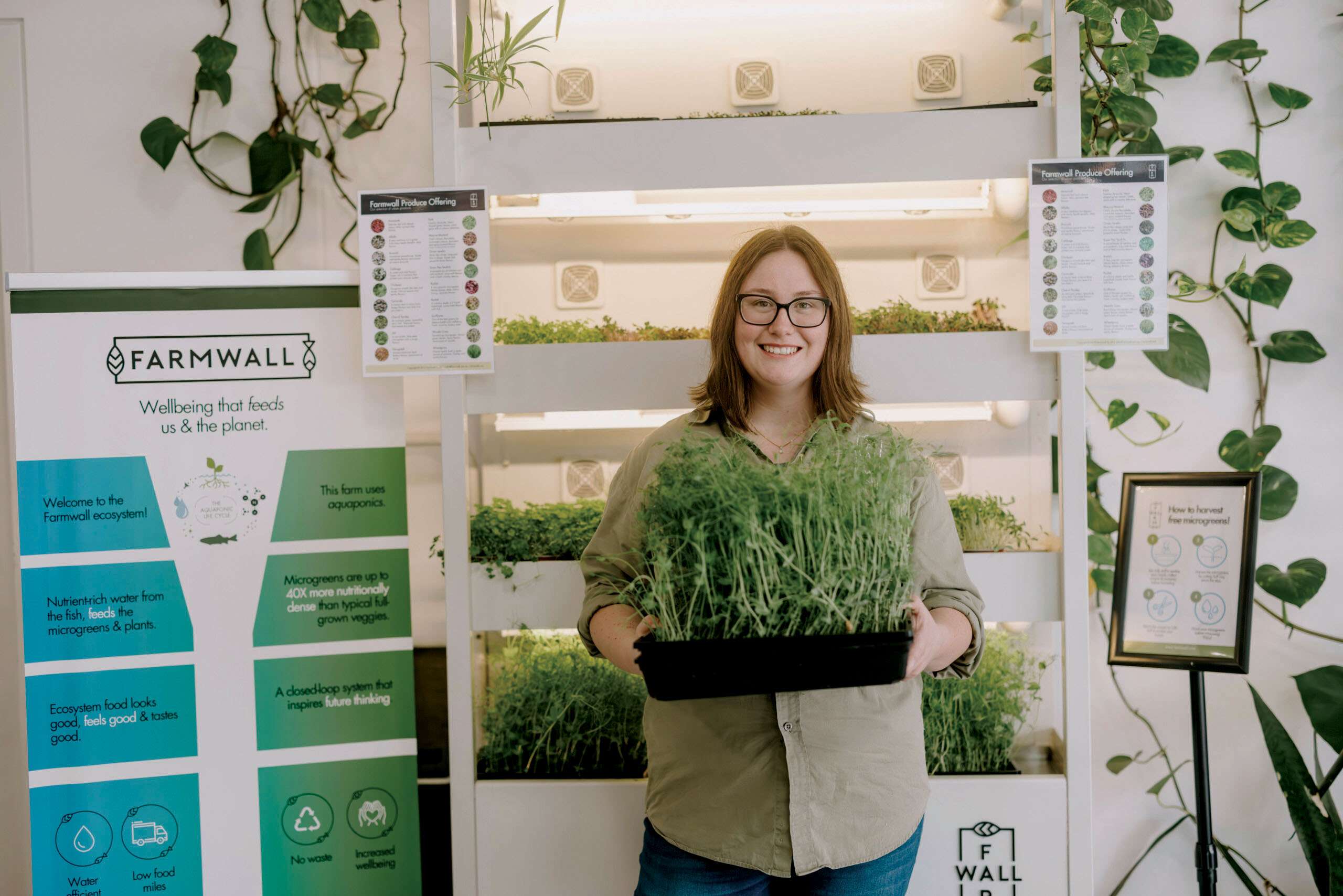

Dr Caitlin Evans (biodiversity, conservation and animal science graduate) is a livestock researcher investigating disease and stress-related health concerns of livestock.
Dr Valentin Thépot (science – aquaculture graduate) helps First Nations islanders on Groote Eylandt move from mining to sustainable aquaculture.
Feed the world
We need ag scientists to save our bacon! Here’s why…
- 9.8 billion – The projected world population, and number of people we’ll need to feed, by 2050.
- -120 calories – The likely result of reduced food production per person, per day for every degree Celsius of global warming.
- +3°C – The amount of global warming that would require everyone to give up breakfast.
- 800+ million – The number of people in the world who already have to go without food for a day or more.
- 8% – The projected drop in crop yields by 2050.
FIGURES FROM UN AND HULTGREN, A., CARLETON, T., DELGADO, M. ET AL. IMPACTS OF CLIMATE CHANGE ON GLOBAL AGRICULTURE ACCOUNTING FOR ADAPTATION. NATURE 642, 644–652 (2025).
Ag Valley
Aussie ag has its very own Silicon Valley! The trendy town of Orange in NSW is home to SparkLabs Cultiv8. Its accelerator program has funded more than 50 ag startups.
They’ve developed a robotic bee that uses AI to pollinate crops, a fungus that could reduce fertiliser use and boost carbon capture, and feed that tweaks cows’ microbiomes to produce fewer planet-warming burps.
Start your career here
Science + Agriculture + Study
- Certificate II in Agriculture, TAFE WA, North Regional
- Certificate III in Wine Industry Operations, TasTAFE
- Diploma of Animal Technology, TAFE SA
- Bachelor of Agricultural Science, University of Queensland
- Bachelor of Agricultural Science, University of Tasmania
- Bachelor of Viticulture, Charles Sturt University
Science + Agriculture + Jobs
- Agronomist: $56K–$102K
- Vineyard manager: $50K–$93K
- Biosecurity officer: $80K–$95K
- Soil scientist: $49K–$83K
- Environmental consultant: $55K–$114K
*Salaries according to payscale.com and seek.com.au
Written by Alison Ratcliffe. This article first appeared in Careers with STEM: Science 2026.