Discover how your exercise science study and career path could make a difference to people’s lives
Fact or fiction?
Don’t know loads about exercise scientists? We sort the real from the rumour below!
Fact
There’s demand for more exercise scientists.
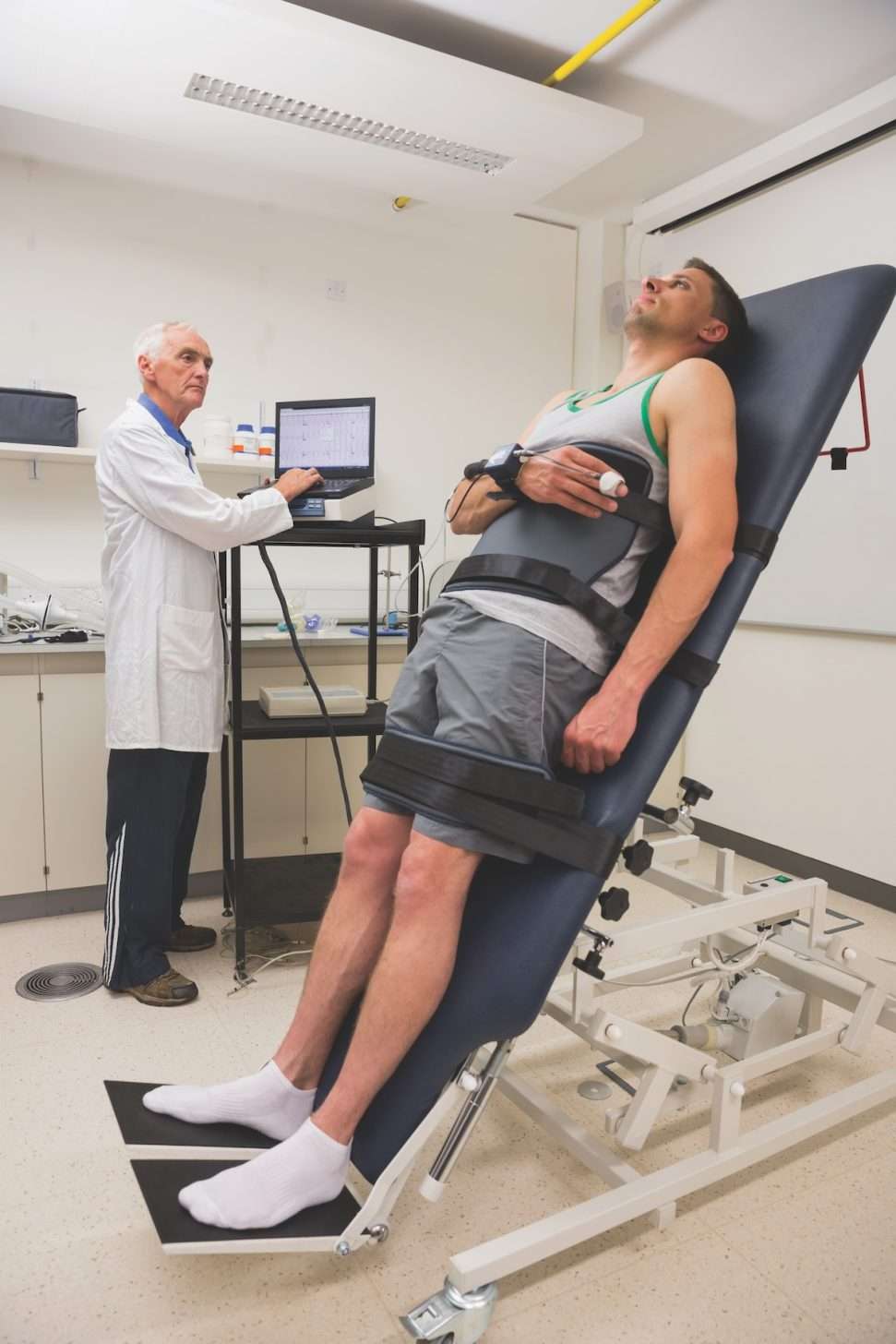
NSW Health says Australia’s ageing population may further the demand for exercise physiology services. The 2032 Olympic Games in Brisbane could also bring about opportunities. More athletes in Team Australia could lead to the employment of additional exercise scientists to assist in their training and performance.
Fiction
An exercise scientist does the same job as a personal trainer.
No! An exercise scientist is an accredited professional who uses exercise to prevent injuries and chronic conditions, and implements programs to improve health, fitness, sporting performance and wellbeing. Exercise scientists require uni degrees, while a personal trainer usually holds a Certificate IV in Fitness or a related area.
Fact
You get lots of practical experience at university, so you’ll be job-ready once you graduate.
Yes, depending on the degree! At ACU, Bachelor of Exercise and Sports Science students must complete 25 hours of community engagement and 140 hours of professional experience. ACU students have assisted in coaching athletes, prescribed exercises, performed testing, and assessed and collected data from elite athletes to create reports for athletes and coaches.
Fiction
Exercise scientists only work in fitness centres and gyms.
Nope! If you study exercise and sports science, you could also work in:
- National, state and local sporting organisations and teams
- Academies of sport on state and national levels
- Hospitals and aged care
- Schools
- Private health clinics
- Community health clinics
- Corporate health and wellness
- Defence
- Not-for-profit organisations to promote health and physical activity
- Academia
- Your own small business
Did you know?
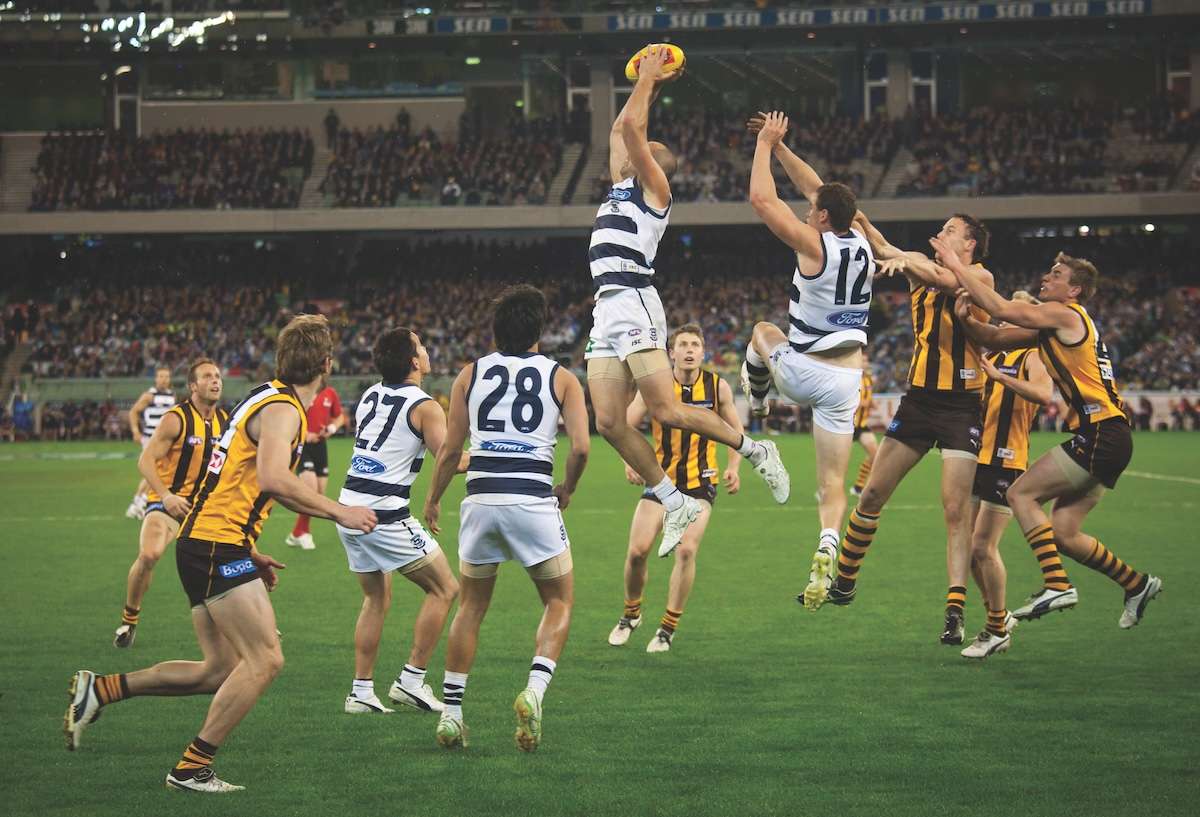
ACU works with a variety of industry partners like AFL, NRL, A-League clubs, The Australian Institute of Sport, Tennis Australia and the NBA in America. Think of all the employer connections you could make!
All the roles
Dr Kassia Beetham, senior lecturer and course coordinator in the School of Behavioural and Health Sciences
at ACU, says there are a variety of career opportunities for exercise and sports science graduates, and they could nab the following job titles:
Exercise Scientist
Your job is to focus on improving the health and wellbeing of healthy individuals. You could work in public health or sports leadership.
Sports Scientist
You’ll enhance athletic performance through strength and conditioning, as well as performance analysis. Why not level up with ACU’s Master of High Performance Sport? Work in elite level biomechanical movement analysis.
Exercise Physiologist
After completing a 1.5-year Master of Clinical Exercise Physiology, you can prescribe exercise for individuals with disabilities, diseases or other complex conditions.
Choose this career if you…
- Are passionate about health, wellbeing and/or sports
- Like working with and motivating people
- Want to help the community and create positive change
- Are good at setting and achieving goals
- Would like to better understand the human body and continually learn
Double up
Interested in combining a passion for teaching or business with health? A double degree like this could be for you:
- Bachelor of Education (Secondary)/ Bachelor of Exercise Science
- Bachelor of Exercise Science/ Bachelor of Business Administration
Study paths
To work as an exercise scientist, you’ll need a university degree. You’re spoiled for choice at ACU with the following options:
Undergraduate
Double degrees
- Bachelor of Exercise and Sports Science/Bachelor of Nutrition Science
- Bachelor of Psychological Science/Bachelor of Exercise and Sports Science
Postgraduate
- Master of Clinical Exercise Physiology
- Master of High Performance Sport
- Graduate Certificate in Exercise Rehabilitation for Sports Injuries
- Graduate Certificate in Sports Analytics
On the money
According to Exercise and Sports Science Australia (ESSA), new graduates can be paid $70K–$79K after leaving university. With five years’ experience, you can expect a salary of $100K–$119K, while senior exercise and sports scientists with 10 years’ experience command over $120K.
This article was first published in the Exercise Science Job Kit produced in partnership with Australian Catholic University.