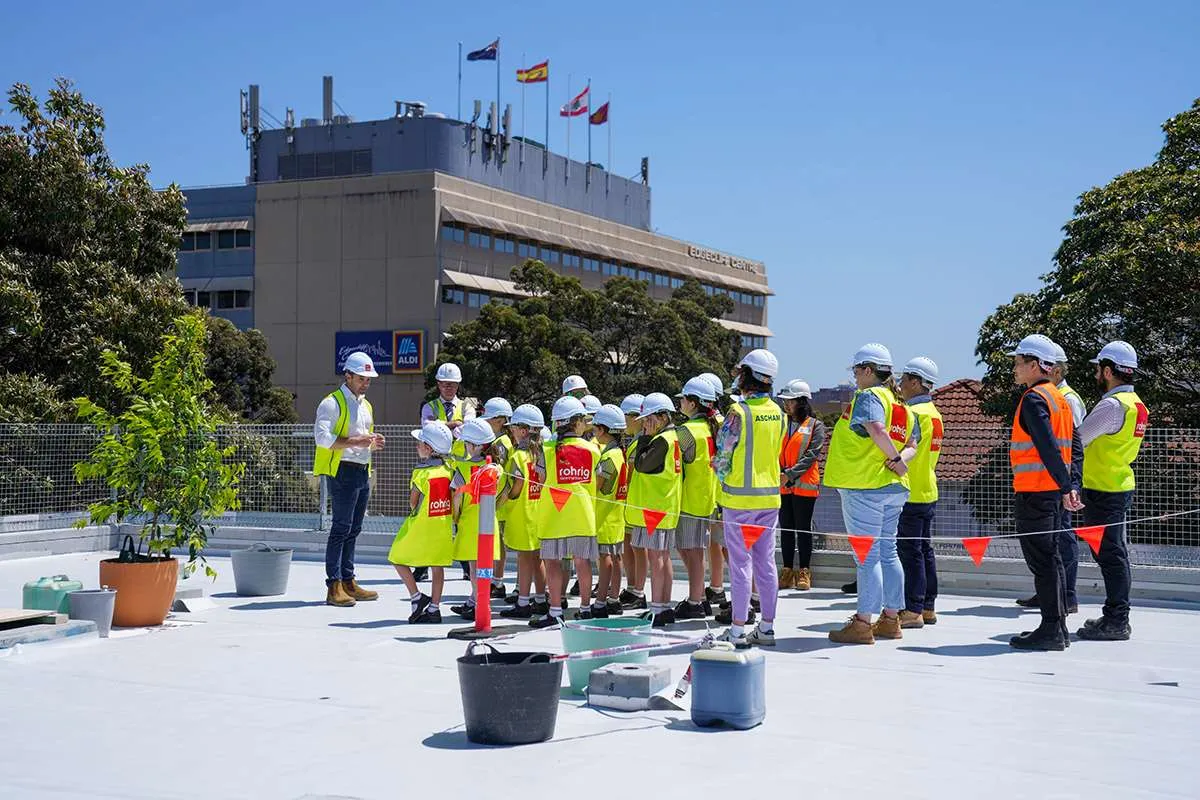
Are you ready to solve real-world problems and shape the future?
If you’re itching to do some good in the world then engineering is a great study and career path to pursue. The ‘E’ in STEM plays a huge role in improving our quality of life (think health, accessibility, sustainability, infrastructure and energy) and helps address global challenges like climate change and water insecurity. Engineering is all about acting on what you care about and making practical, positive change.
Keen to make an impact? From 2027, two key changes to engineering at the University of Newcastle will give students greater flexibility when choosing their study path.
First up, all engineering students at the University of Newcastle will complete a common first semester. This means studying core engineering foundations alongside peers from across engineering disciplines. These courses are:
- Engineering Problem Solving
- Professional Practice
- Science Fundamentals
- Mathematics
This shared foundation gives you the opportunity to build essential engineering skills while exploring where your interests could take you.
The second change is the new Bachelor of Engineering (Flexible Entry). It gives you more time to explore your options if you know you want to be an engineer but aren’t yet sure which area you want to specialise in. After studying the core engineering foundation courses in semester one and learning about engineering disciplines and career pathways as you go, you’ll choose one of 11 specialisations:
- Bachelor of Aerospace Systems Engineering (Honours)
- Bachelor of Chemical Engineering (Honours)
- Bachelor of Civil Engineering (Honours)
- Bachelor of Computer Systems Engineering (Honours)
- Bachelor of Electrical and Electronic Engineering (Honours)
- Bachelor of Engineering (Mining Transfer Program)
- Bachelor of Environmental Engineering (Honours)
- Bachelor of Mechanical Engineering (Honours)
- Bachelor of Mechatronics Engineering (Honours)
- Bachelor of Medical Engineering (Honours)
- Bachelor of Renewable Energy Engineering (Honours)
Want to broaden your career options even further? There are also 28 dual degree options, including areas like business, science, mathematics and computer science.
You could also benefit from more than 100 scholarships and early entry opportunities available at the University of Newcastle! There’s really never been a better time to start making an impact.
Student story: Claire Devine
Degree: Bachelor of Environmental Engineering (Honours)
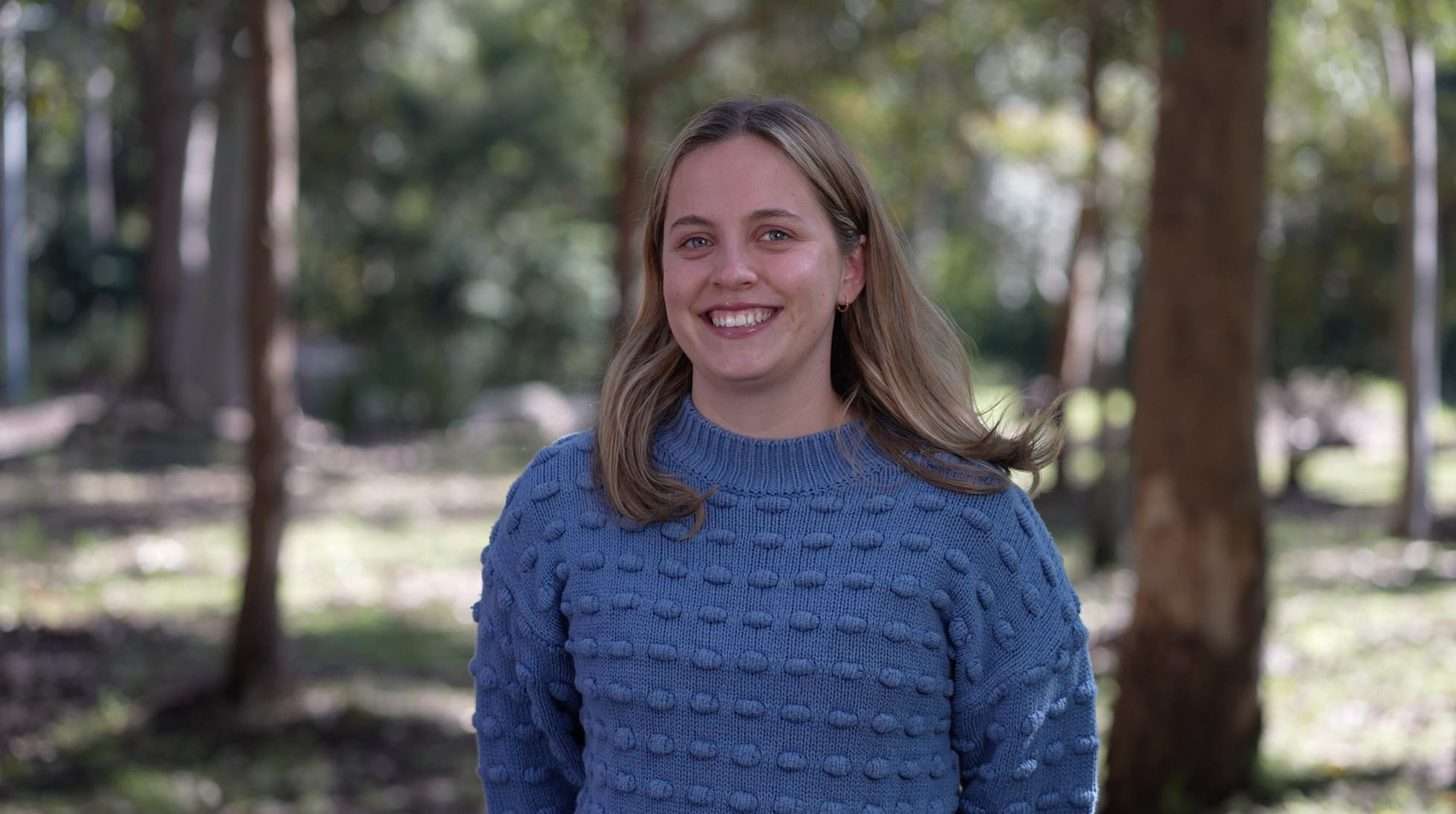
Even before she finished Year 12, Claire Devine knew she wanted to work with water. So when she found out the University of Newcastle’s Environmental Engineering course focused on water, her path was clear. But Claire discovered the course was much wider than she expected.
“We studied a lot of different things like programming and maths, some chemistry and geotechnical courses. Mapping, GIS, a bit of surveying…” she explains. “You get all these snippets of different areas of engineering.
“Then in your later years, you pull them all together. A little bit from that chemistry course, a bit from the rock course and you stick it all together and make a flood model!”
That flexible, wide knowledge base integral to all the engineering courses at the university. “The University of Newcastle is swapping to a flexible first year for engineering,” Claire explains. “If you’re confused what you’re interested in, it will help you have a bit more flexibility.”
Claire’s advice to people heading into uni is simple. “I’d encourage outside-of-university learning too,” she says. “Watch YouTube videos, go to events. There are heaps of events with people speaking about working in different sectors and industries.
“Engage with whatever you’re naturally interested in and try to learn as much as you can on that topic. You’ll never know when you’ll come back and use that knowledge again.”
Learn more
If you’re ready to develop the skills to innovate, solve challenges and deliver impact where it matters the most, start exploring engineering at the University of Newcastle.
This article was brought to you in partnership with the University of Newcastle
Images: Supplied by the University of Newcastle
Words: Louise Meers and David Shaw