
Want help to improve the lives of others? UTS’ Bachelor of Public Health will set you up to be in-demand in a range of career areas
There are so many positives when it comes to studying a Bachelor of Public Health at UTS. Course content is underpinned by the latest in public health research, you’ll learn from experienced and highly qualified staff, get practical experience by undertaking a professional placement in your final year, and you can focus on a particular interest or passion with a major.
These are the majors on offer:
- Indigenous Health
- Health Promotion
- Global Health
- Human Structure and Function
- Population Health
And bonus! If you complete the Bachelor of Public Health with the required pathway and grade point average, you’ll also meet the current entry criteria to undertake UTS’ Master of Physiotherapy.
There are also combined degree options, which you can learn more about here.
Career options
Completing a Bachelor of Public Health can lead to roles in:
- Health promotion
- Epidemiology
- Advocacy
- Health education
- E-health
- Health data and information management systems
- Planning and policy
- Project management and evaluation
- Community development
- Research and consultancy across both public and private health sectors
Further study
UTS’ Bachelor of Public Health is also accepted preparation for a master’s degree in orthoptics, speech pathology and physiotherapy at the UTS Graduate School of Health.
Student story: Joshua Kahn, Bachelor of Public Health + Master of Physiotherapy
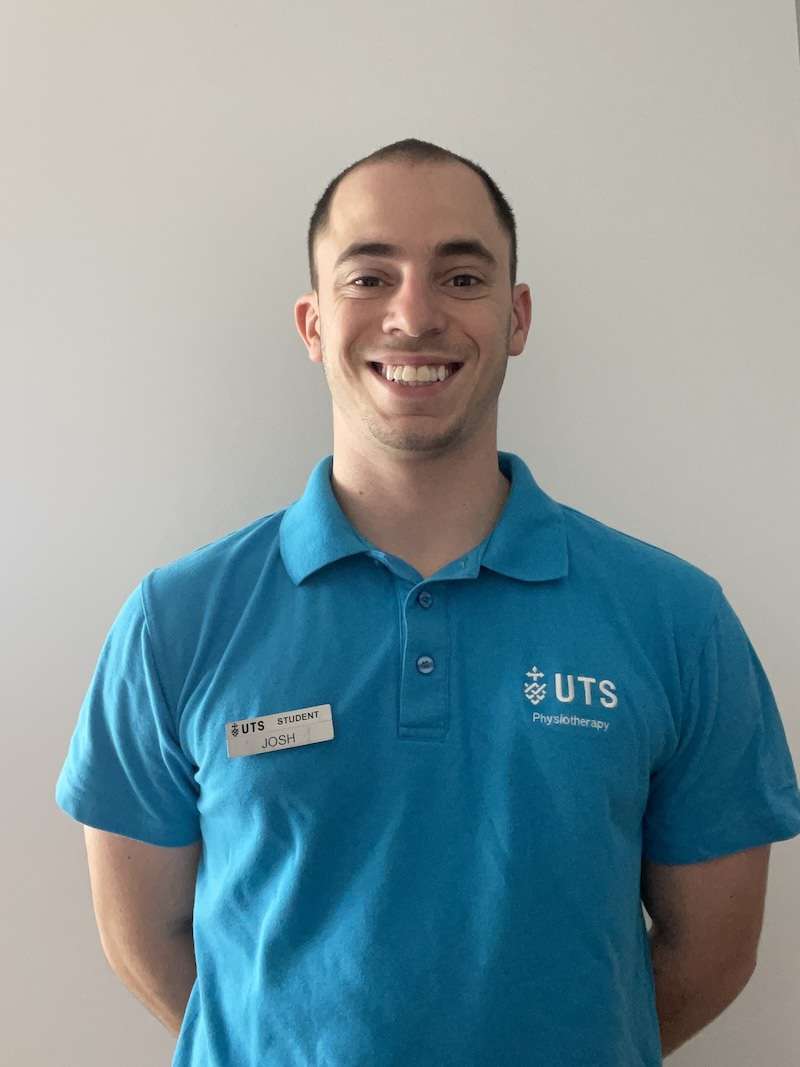
To find out more about where public health can take you, we spoke to UTS student, Joshua Kahn. He’s currently in his second year of the Master of Physiotherapy after completing a Bachelor of Public Health.
Joshua has always been really interested in biomechanics and the way the body moves. In high school, he knew he wanted to be a physiotherapist and chose a Bachelor of Public Health to learn about health in general and get an understanding of how the healthcare system works.
CwS: What did you learn from the Bachelor of Public Health that’s helped in your master’s degree?
J: I would say a big part of physiotherapy is advocating for your patients. Coming off a couple of placements now, being able to connect with patients from all different backgrounds has been valuable.
CwS: Tell us more about placements!
J: We have a great team of staff at UTS that help us out with clinical placements, and they put us in some really good places. I was just with a geriatric inpatient rehab team that had some of the best educators I’ve known.
CwS: What advice would you give to other students thinking about studying health at UTS?
J: Put as much as you can into your uni life and studying public health. I’ve had some awesome lecturers and there are good people there whowill support you through the course.
CwS: What are you hoping to do when you finish your master’s?
J: I’m still deciding where I want to be. I’m looking at private practice. The aim is to own my own practice. But I’ve got to get some experience first!
Learn more about the Bachelor of Public Health at UTS here.
This article was brought to you in partnership with the UTS Faculty of Health.
Main image: Andy Roberts via UTS Faculty of Health
For more on Graduate Options, head to our graduates page.