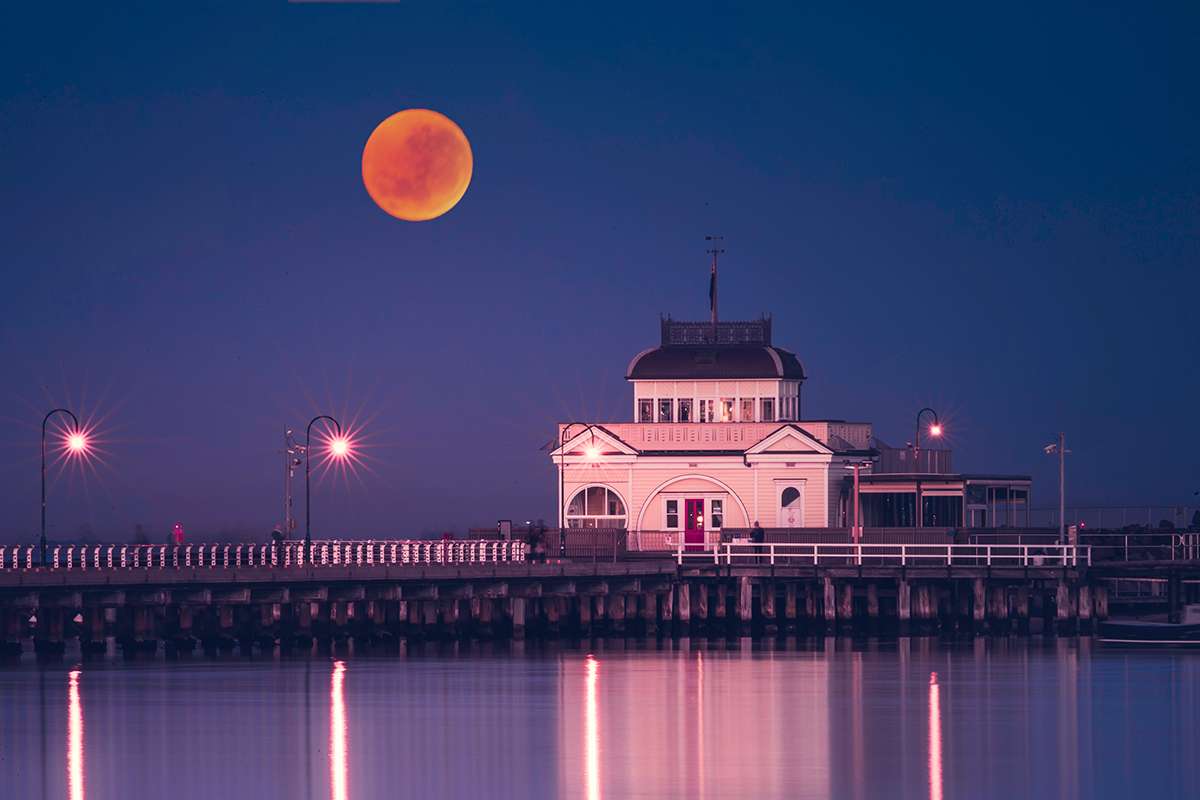
We have just one chance to witness a blood moon over Australia this year, and it’s happening in the early hours of Monday 8 September
For students and stargazers, September’s total lunar eclipse promises to be one of the most spectacular sky shows of the year.
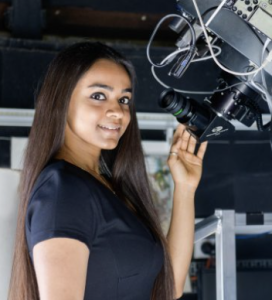
According to astrophysicist Associate Professor Devika Kamath from Macquarie University, this eclipse is special due to its visibility.
“For Australian observers, this is a rare treat: not only will the Moon be high above the horizon during totality, but the timing offers excellent visibility without needing special equipment,” Devika says. “Just step outside, look up, and witness the mechanics of our solar system in motion.”
Don’t miss it – the next total lunar eclipse for Australia won’t be until 2026!
So, what exactly is a blood moon?
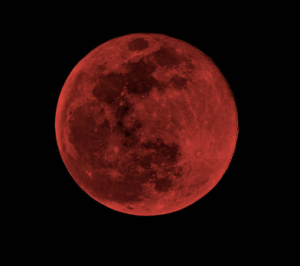
A blood moon is a fancy name for a total lunar eclipse. “During a total lunar eclipse, the Moon slips into Earth’s shadow – but it doesn’t go completely dark. Instead, it glows with a deep red or copper hue,” explains Devika.
Sunlight passing through Earth’s atmosphere gets filtered and bent. It’s the same physics that gives us sunsets – only projected onto the Moon.
“The Moon is catching the glow of every sunset and sunrise on Earth at once.”
Viewing tips
The eclipse begins in the early hours of Monday 8 September AEST, with totality – the deep red phase – lasting a generous 82 minutes.
To balance the most sleep with the best view, set your alarm for around 4am AEST, as the Moon will reach maximum eclipse at 4:11. Choose anywhere with an unobstructed view of the western horizon.
Unlike solar eclipses, lunar eclipses are safe to watch with the naked eye. Bring binoculars or a telescope if you want to catch extra detail, but no fancy gear is needed.
On a mission to decode the universe
Has all this talk about blood moons got you wondering what it’s like to be an astrophysicist?
Questions like ‘What else is out there?’ are driving projects led by Macquarie University astronomy and astrophysics researchers like Devika. Find out more about her work in the video below.