


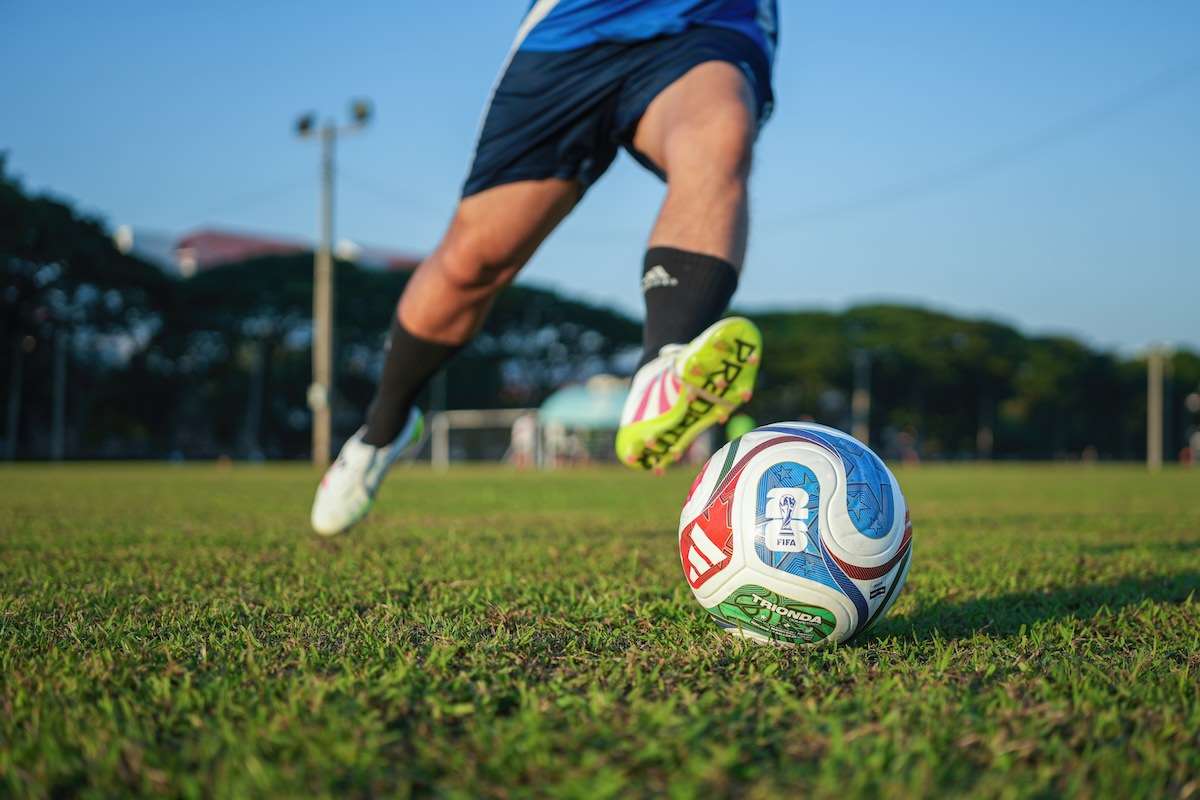
STEM and soccer go hand-in-hand!
STEM powers everything – even the FIFA World Cup! Watching all the incredibly talented players from across the globe really got us thinking about what it takes to get them (and keep them) at this level of performance. And, of course, it didn’t take long to make the STEM connection. The STEM pros the athletes have on their support team play a huge part in keeping them physically and mentally well to dominate on the world stage.
Below, we’ve highlighted 5 careers that actively support FIFA World Cup athletes that you could totally do one day!
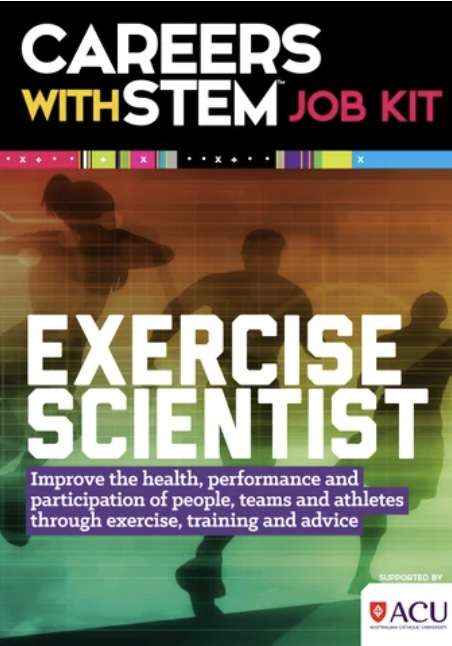
1. Exercise Scientist
An exercise scientist improves the health and performance of athletes through exercise, training and advice. At the FIFA World Cup, they’re helping the players manage their physical workloads, recovery time and adapting to the environments in different host cities.
2. Physiotherapist
Physios assess and treat physical injuries when they pop up, but also work with players to prevent injuries happening in the first place! Every team has physios on board to minimise injury risks, look out for and assess head traumas, and use techniques like massage to optimise recovery and combat fatigue.
3. Nutrition Scientist
Food is fuel! Nutrition scientists are experts in how the food we eat affects our health. Soccer teams work with nutrition scientists to make sure they’re eating the right amount and types of food before match day so they perform at their peak. They also monitor the athletes’ hydration levels.


4. Psychologist
Soccer isn’t just a physical game, it’s a mental one too. Teams use sport psychologists to help with everything from team cohesion and decision making on the field to keeping focused and managing high-pressure situations like penalty shootouts.
5. Podiatrist
These allied health professionals prevent, diagnose and treat conditions related to feet, ankles and lower limbs. With all the sprinting, tackling and pivoting the players do, it’s a no-brainer to have podiatrists on their team. They fit custom orthotics to athlete football cleats if required, and use foot scanning technology to monitor for conditions like stress fractures, plantar fasciitis, or Achilles tendonitis.
Jump on one of these career paths and you might find yourself at the FIFA World Cup one day!







