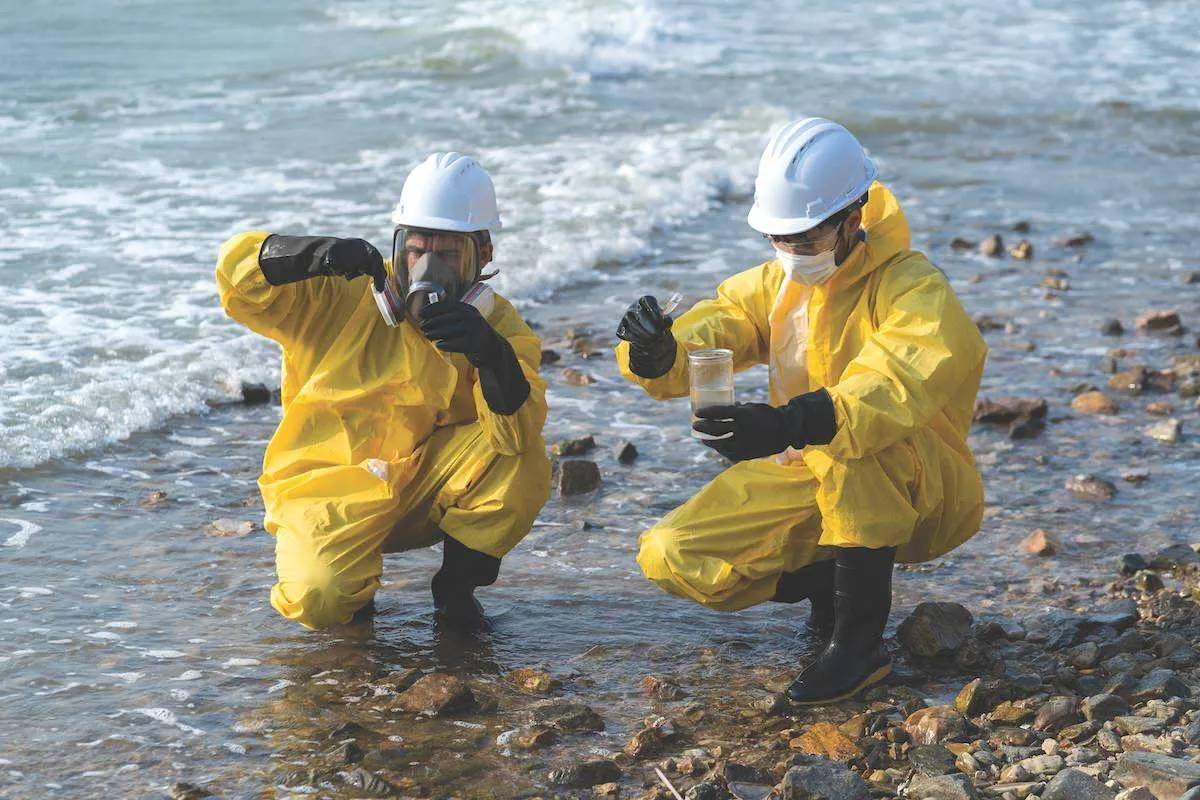
Keen on forensic science, but want to keep your options open? There are so many areas of science that you can use to stop crime, from chemistry to ecology!
If you’re interested in solving real-world problems, you may want to work in the justice system – and scientific evidence is a crucial part of that system.
The need for science here is broader than you might think: animal scientists are vital for stopping illegal wildlife trade, chemists are crucial for spotting contaminants, and soil scientists are key to tracing the location of suspects.
With a science degree from Adelaide University, you’ll develop skills that can lead to careers in environmental protection, forensic analysis, and wildlife crime investigation.
You can start by studying topics that interest you, and craft them into a firm area of expertise by the time your degree is finished. That might be helping to prevent poachers from trafficking endangered Australian animals, or hunting down polluters causing environmental damage.
With key topics in data science, you’ll build skills that apply across industries, from government to environmental consulting.
Preventing wildlife crime
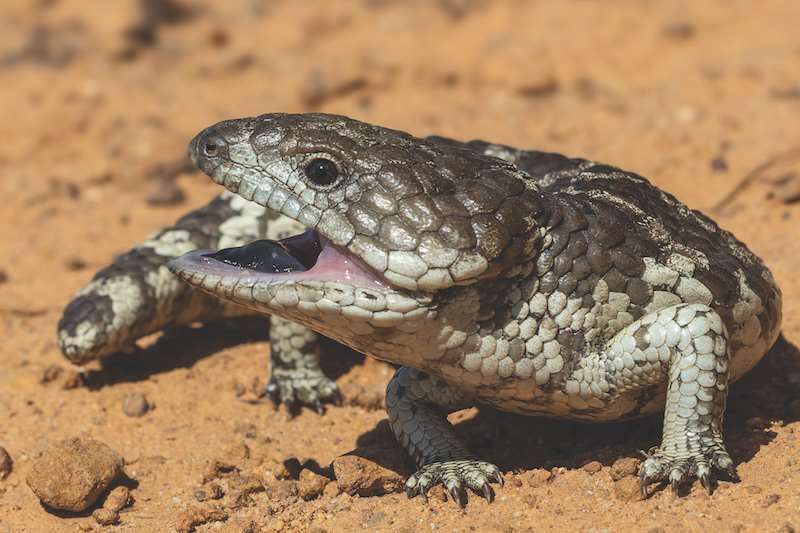
Unfortunately, Australia’s incredible flora and fauna are a prime target for illegal wildlife trade. Poachers transport hundreds of rare plants and live species overseas each year to sell as exotic pets. Reptiles, like SA’s beautiful shingleback lizards, are particularly vulnerable. Plus, illegal habitat clearing makes it even harder for the species to survive. But you could help to prevent this with research.
Adelaide University’s Wildlife Crime Research Hub is at the forefront of stopping these activities. Researchers are developing better tech to spot offences, like satellite imagery to spot illegal clearing, and helping to inform laws so prosecutors can target environmental crime better.
Taking dirt to court
You can even help solve cases with soil science. If there’s soil on a suspect’s belongings or car, law enforcement has consulted with soil scientists at Adelaide University, such as Professor Robert Fitzpatrick, to help identify where it might have come from and where they’ve been travelling.
Employment opportunities
- Ecologist
- Wildlife conservationist
- Science communicator
- Government advisor
- Analytical chemist
- Environmental protection officer
- Environmental consultant
- Research scientist
Skills boost
You’ll become a pro in these areas:
- Analysing evidence
- Scientific investigation
- Pattern matching
- Communicating clearly
Keen to tackle environmental crime?
Study a Bachelor of Science with one of these majors:
- Analytical Chemistry
- Marine and Wildlife Conservation
- Ecology
Show me the money
- Chemist: $80K–$100K
- Ecologist: $85K–$105K
- Environment Advisor: $105K–125K
Salaries according to seek.com.au
Meet a Forensic Scientist + Analytical Chemist
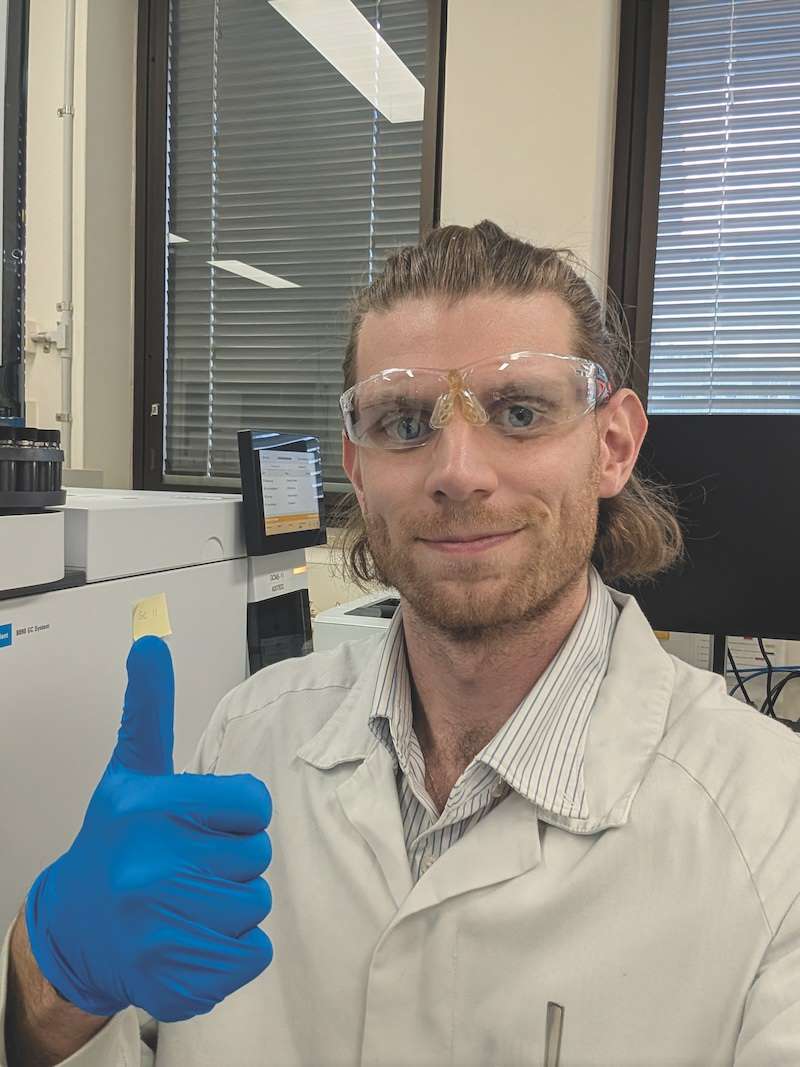
Say police have found a suspicious white powder. How exactly do they figure out what that powder is? That’s Jackson Tierney’s job!
Jackson loved chemistry at school, and was drawn to it at uni because it has a great combination of theory and practical learning.
“This mixture has translated very well to working in both the pharmaceutical and forensic industries.”
Jackson spends a lot of his time in the lab, identifying mysterious substances that have been confiscated from the streets.
He makes extensive use of the lab skills he built up in his degree to work with high-tech equipment, so that the data is as accurate as possible.
“These results are used by the courts as evidence to prosecute criminals and keep the streets safe.”
But these analytical skills can be used for other fields, like environmental monitoring or medicines.
Jackson’s study + career path
- Bachelor of Pharmaceutical Science at UniSA
- Honours Degree in Biomedical Research at UniSA
- Tutor and Practical Demonstrator at UniSA
- Analytical Scientist at Agilex Biolabs
- Forensic Scientist (Toxicology) at Forensic Science SA
- Forensic Scientist (Illicit Drugs) at Forensic Science SA
Want to follow Jackson’s footsteps into forensics? Consider starting with a major in Analytical Chemistry.
This article first appeared in the Careers with STEM: Study Science at Adelaide University