What do Jenna Ortega and maths have in common? She was wearing it at the 2025 Met Gala
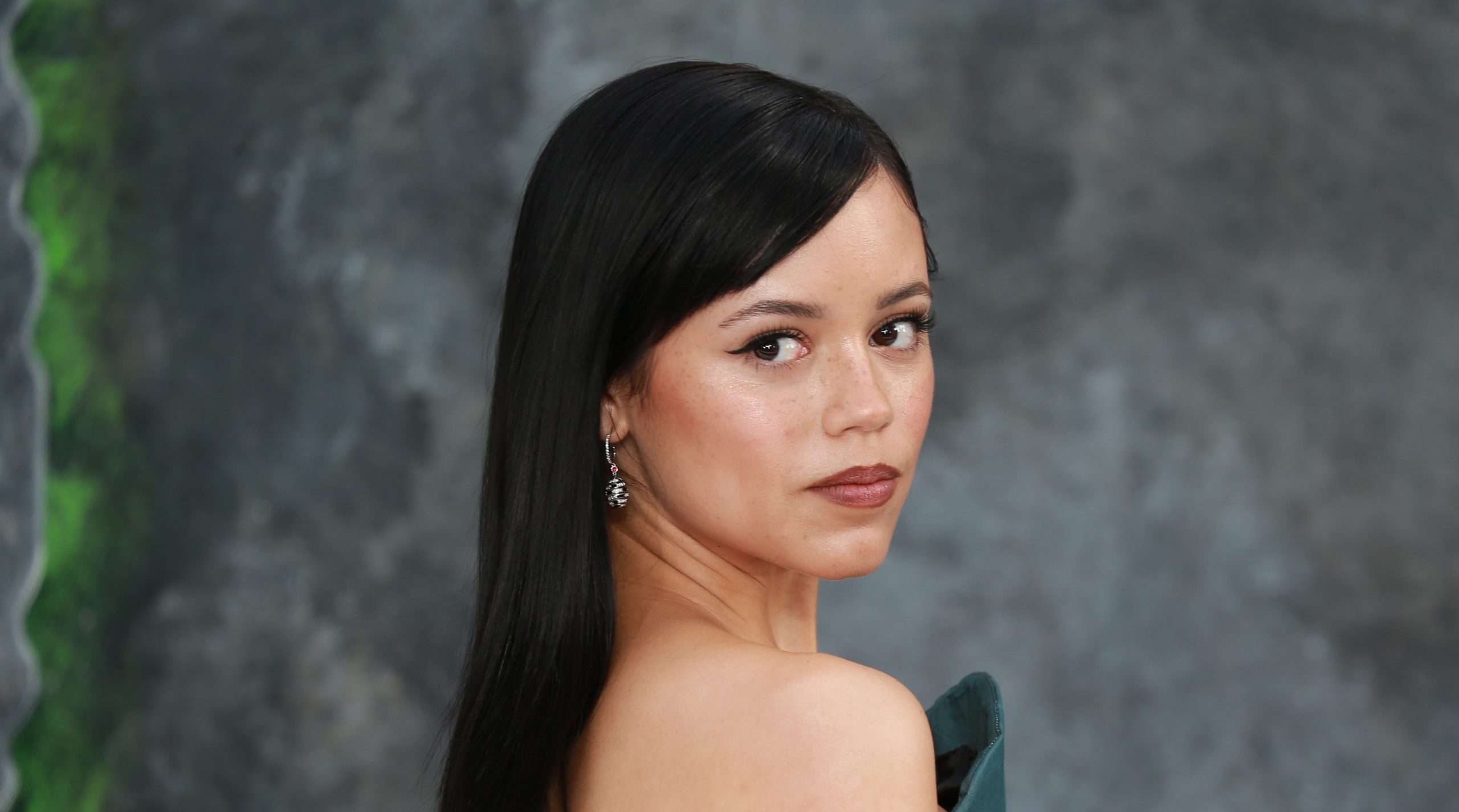
The Met Gala is known for pushing boundaries in art and fashion, with this year’s theme “Superfine: Tailoring Black Style” and “Tailored for you”. It’s a theme Jenna Ortega took literally as she graced the red carpets with her striking metal ruler dress created by Balmain’s Olivier Rousteing.
The dress was carefully sculpted with measuring tapes and rulers – tools you’ve likely used in your maths classes – that draped vertically across her body. Jenna’s dress is more than just a fashion statement, it’s… “a poetical ode to couture and craftsmanship, the sleek sheath dress is crafted entirely from the metallic rulers used by patternmakers,” says Balmain.
@glamourgermany #JennaOrtega auf dem #RedCarpet der diesjährigen #MetGala im #MetropolitanMuseumOfArt in #NewYork 🤍 #MetGala2025 #jenna #ortega #jennaortegaedit #jenna0rtega #jennaortegawednesday #wednesdayaddams #wednesdaynetflix 📷 Getty Images
♬ bloody mary – 🎧
Jenna’s dress shows fashion’s deep connection to maths, revealing how numbers enable designers and pattern makers to create art we love to judge.
So, how does fashion use maths?
The human body is a complex form of curves and angles. Not only does a designer or patternmaker need a keen eye for detail, but they also need to understand the shapes and proportions. This ensures a dress or suit fits the wearer perfectly for couture, or offers a consistent, flattering fit for clothes bought in stores.
The making of clothing uses mathematical concepts like geometry and algebra. You can see this in Oliver Rousteing’s designs that consistently feature geometric prints and striking symmetrical layouts.
Due to intellectual property, we won’t know the exact maths to replicate Jenna Ortega’s ruler dress, but see Kiana Bonollo try to recreate it:
Want to use your love for fashion + maths?
These are the careers in fashion that use maths:
- Trend forecaster: They use data from consumer interests and values to predict the next big thing in fashion
- Fashion designer: Uses geometry to create different garments and designs
- Fashion technologist: Uses CAD/CAM software built on mathematical algorithms to design clothing or other smart technology
- Textile engineer: Uses maths and physics to understand and create different fabrics
- Fashion buyer: They use data analysis in sales and budgets to choose what to sell in stores
Want to take your first step into a career in fashion and design? Enter the Fashion Design category in the 2025 Bright Awards, open to all year 10, 11 and 12 students!