


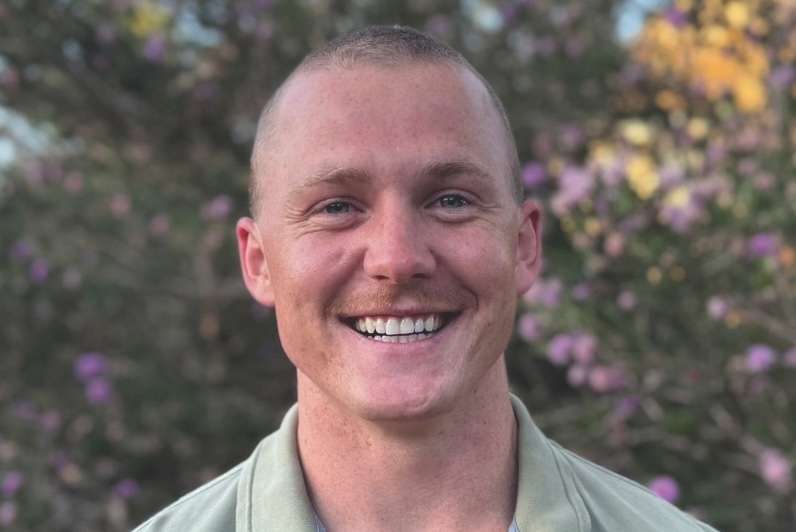
Researcher Clancy Lester explores the hidden world of Australia’s native honeybees
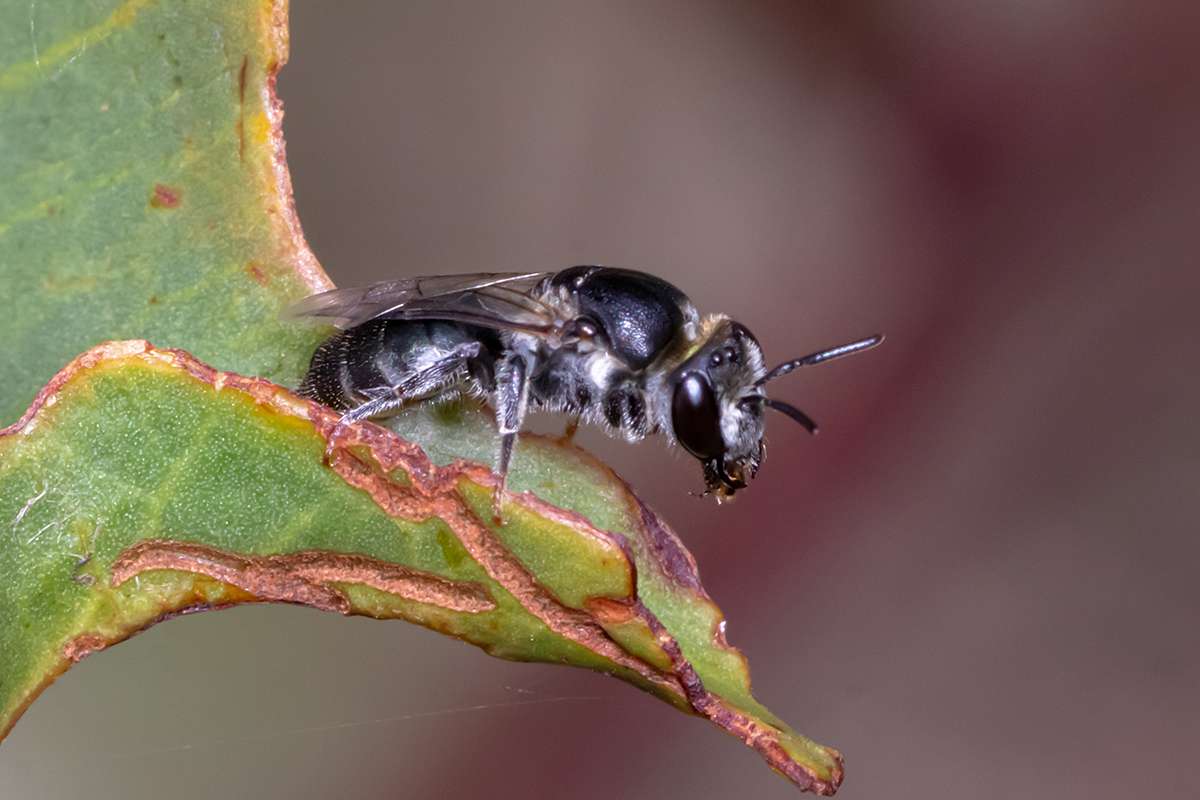
When Yolŋu people in Arnhem Land began noticing odd things happening in nature, they knew something was amiss. Seasons weren’t arriving on time, birds weren’t returning from migration, and when it came time to celebrate guku (honey) harvest, there wasn’t any honey. So, where were the bees?
Bee researcher Clancy Lester was involved in groundbreaking collaborations between the Yolŋu people, the late Professor Brian Djangirrawuy Gumbula-Garawirrtja and The University of Melbourne’s Dr Rachele Wilson and Professor Margie Mayfield to investigate native Australian honeybees.
During his master’s research, Clancy used DNA sampling to determine which bees gathered pollen from which flowers. Clancy used maths sequences called diversity indices to analyse regional abundance, paired with DNA metabarcoding to understand why honey harvests were not fruitful.
“We know so much about European honeybees, but barely anything about our own native honeybees!” Clancy says. “As a bee researcher, you might be the first person ever to have witnessed a species, and then to save them.”
Clancy’s pathway
- Bachelor of Science, The University of Melbourne
- Master of Bioscience, The University of Melbourne
- Lead environmental educator for Victoria, PlantingSeeds
- Urban ecology tutor, The University of Melbourne
- Heywire Trailblazer, ABC
Written by Charlotte Read. This article first appeared in Careers with STEM: Maths 2026.







