Animals
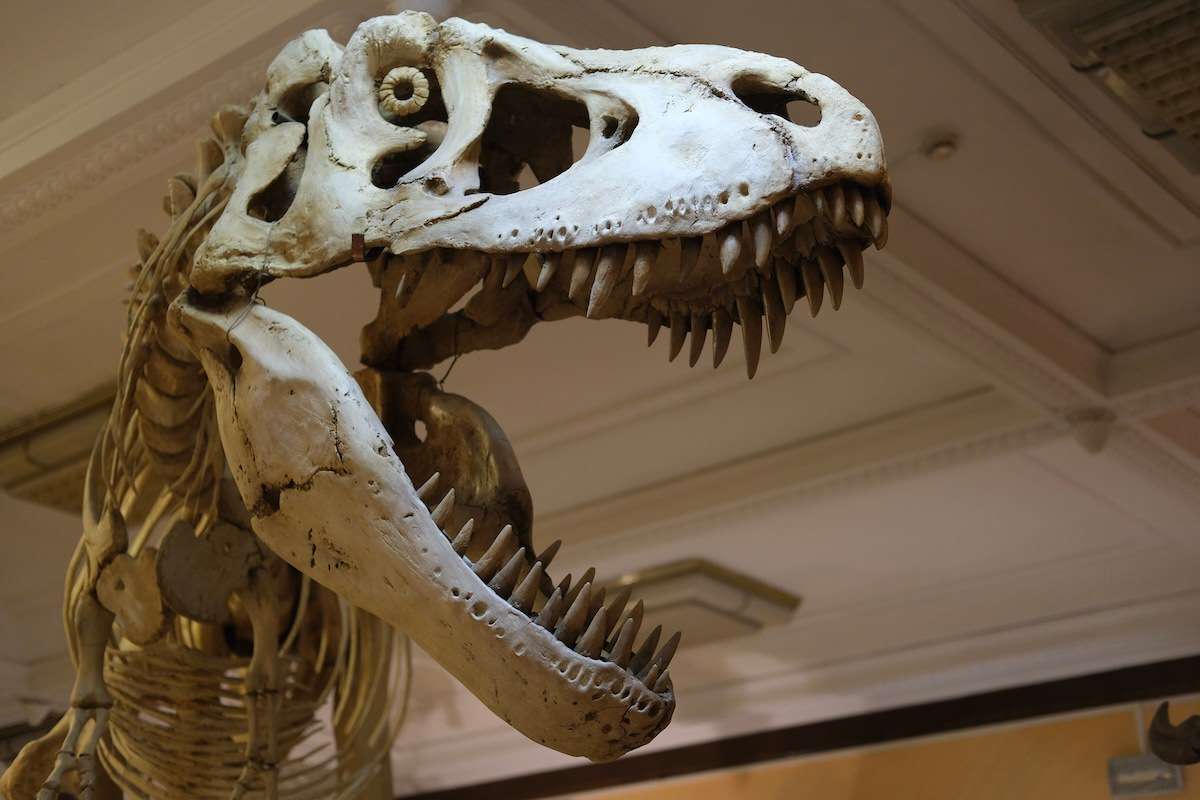
Ready to roar? 5 careers with dinosaurs
Anything is *fossible* when you mix STEM with your passion for dinos. Which one suits you most?



Anything is *fossible* when you mix STEM with your passion for dinos. Which one suits you most?
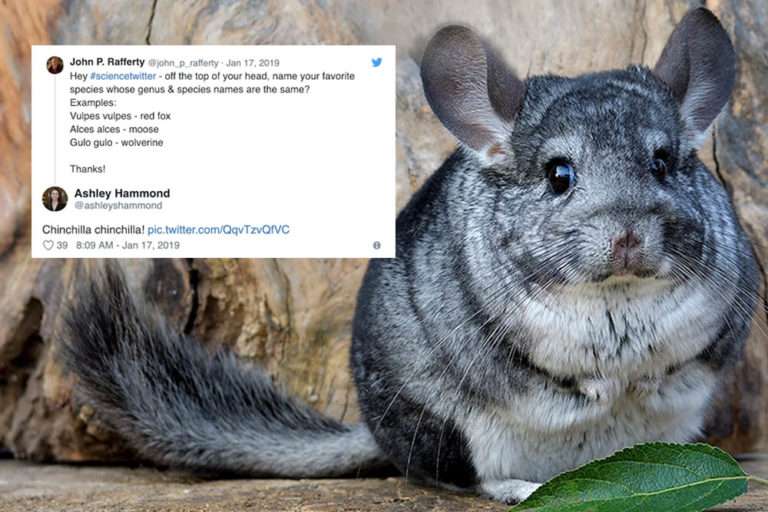
The scientific names of animals should sound scientific… right? Instead, the western lowland gorilla is scientifically known as ‘gorilla gorilla gorilla’. Yes, really.
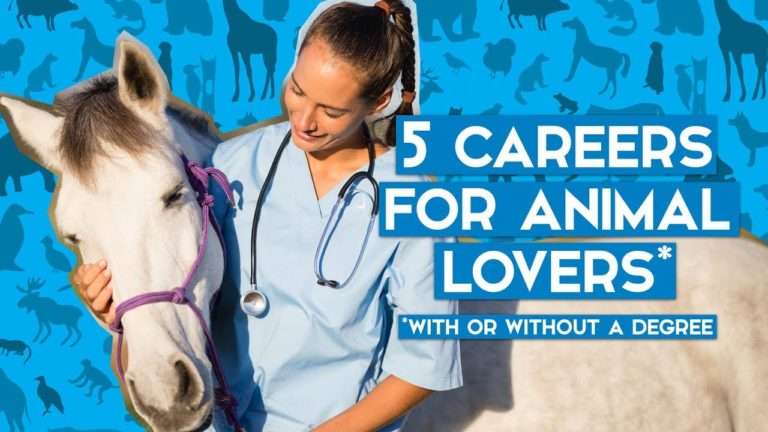
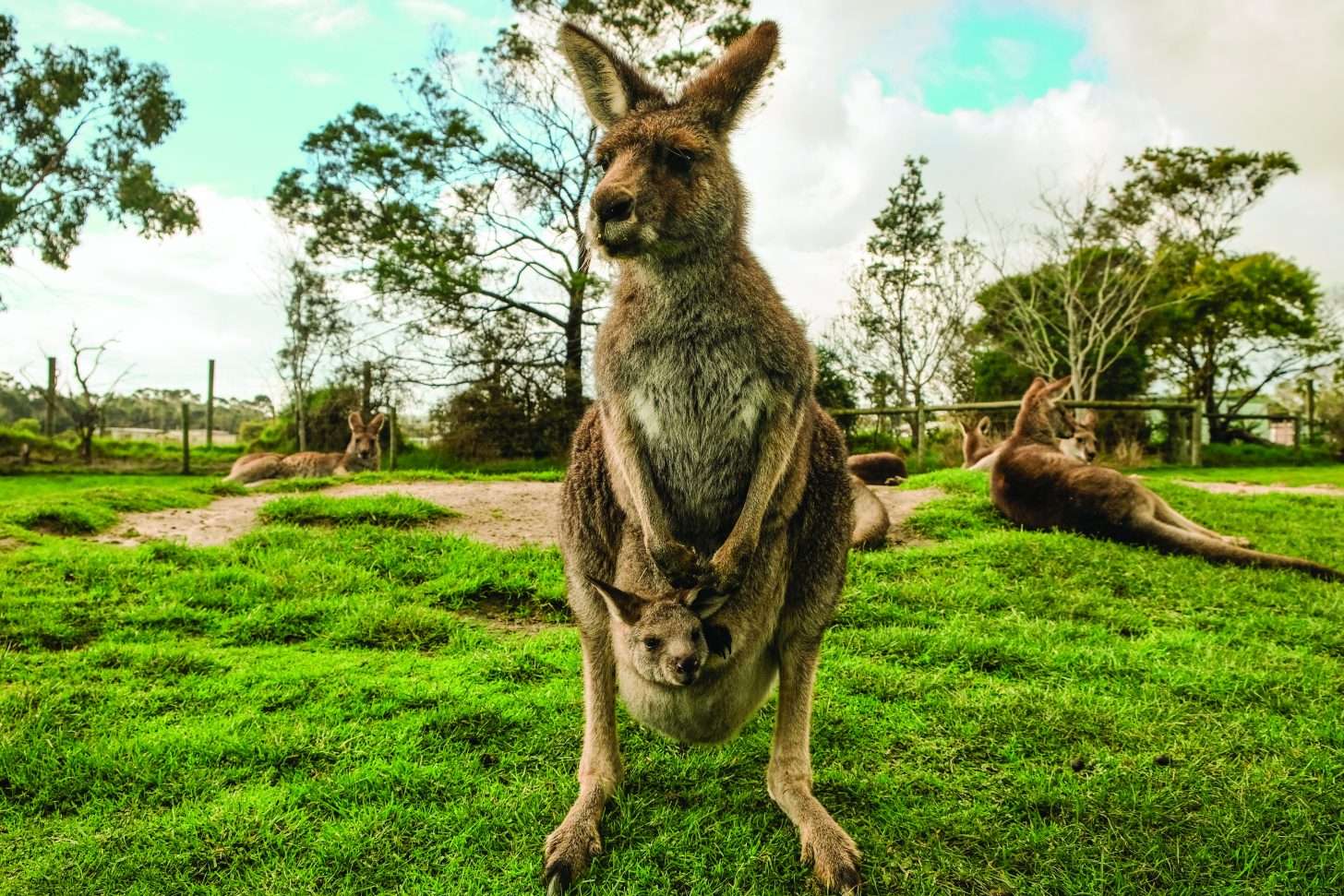
If you’ve got your eye on working with animals in the future, here’s 5 awesome careers – with and without degree requirements – to get you there.
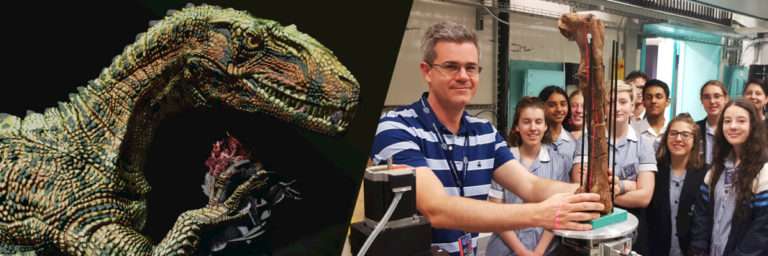
Scientists from ANSTO and the University of New England are using nuclear science to analyse the fossilised remains of the carnivorous dinosaur, the Australovenator, to learn more about how it lived.
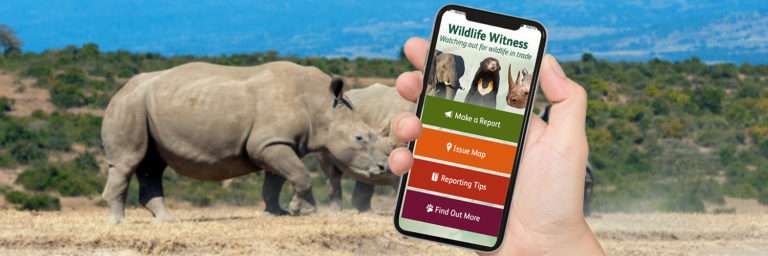
Code careers aren’t just about tech anymore. You can create apps for animal conservation, or track sporting goals to improve the team. Discover all the unexpected code careers that bridge tech and your passion.
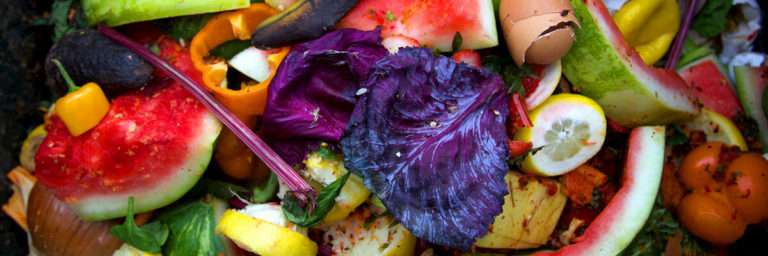
Olympia Yarger, CEO and founder of Goterra, is producing food waste solutions by feeding maggots on unused food and agricultural waste to make livestock feed.

Can you tell a Cocker Spaniel from a King Charles? The citizen science projects MuttMix is gathering data on whether we can identify dog DNA just from looks.
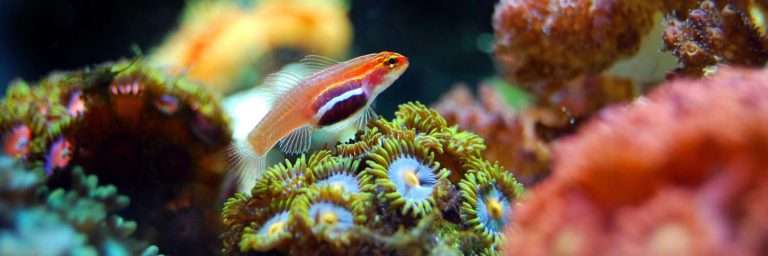
Scientists have found new hope for our damaged coral reefs in transplanting lab-grown coral larvae to the ocean, like IVF for coral reefs.
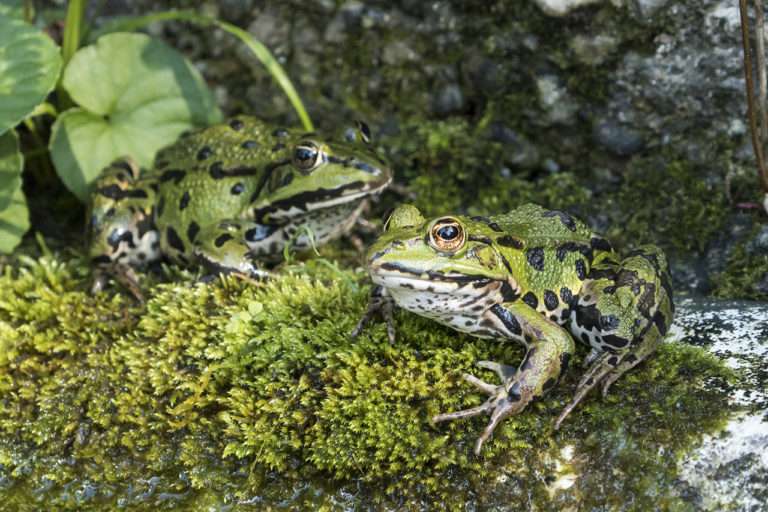
FrogID is the app that uses citizen science and user participation to map Australia’s frog habitats. Help save the frogs by downloading the app today!
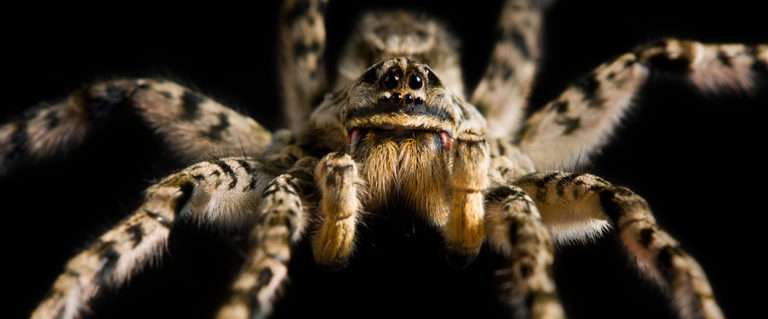
Just when you thought the Halloween spooks were over, mother nature delivers the creepiest crawlies and scary bugs to haunt your dreams!
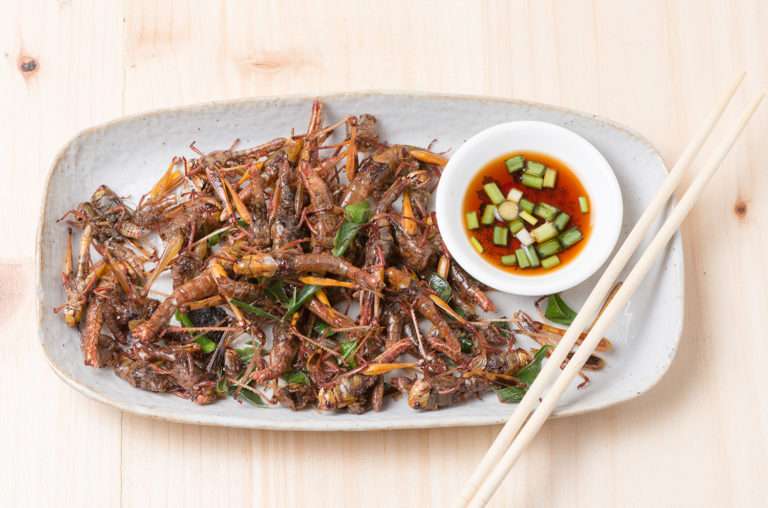
Are you ready to chomp crickets and swallow spiders? Ready or not, take our quiz to find out which edible insects you should start with.

Scoring runner up in UNSW’s Bragg Writing Prize is Ebony Wallin’s essay about the very hungry caterpillars that can digest plastic.